Debit Card Expiry Date: What You Need to Know

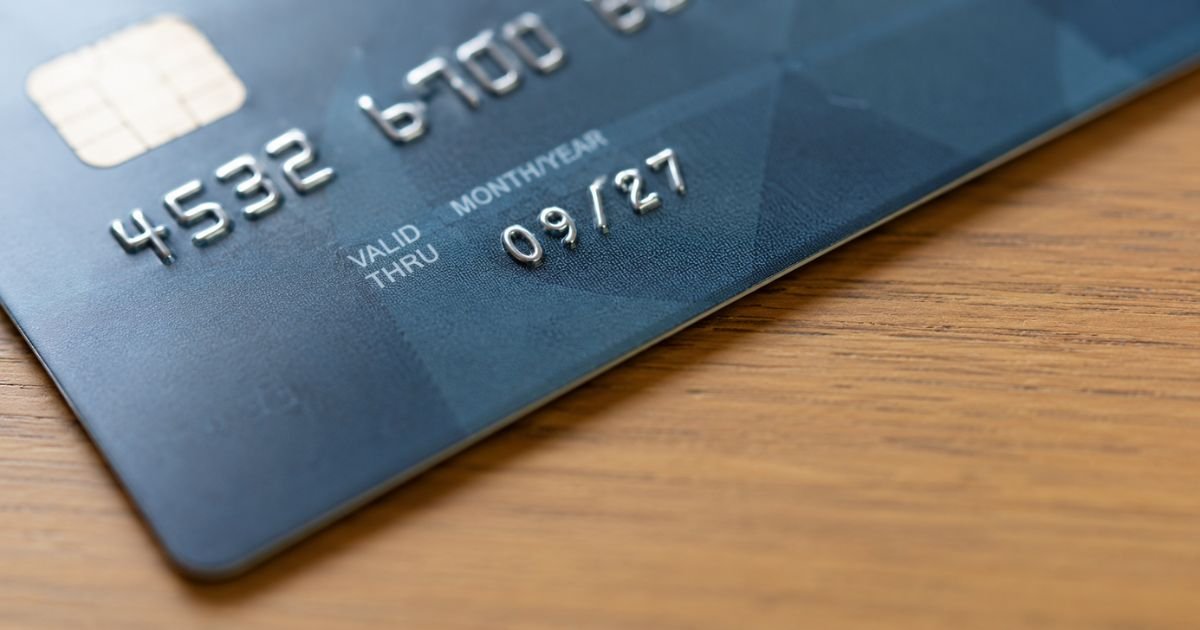
Your debit card expiry date is more than just a small set of numbers printed on the plastic. It tells you exactly when that physical card stops working for purchases, ATM withdrawals, and online payments.
Most people only notice it when a transaction gets declined at the worst possible moment. Understanding the debit card expiry date helps you avoid that frustration.
This guide walks you through where to find it, why banks put it there, what happens when the date passes, and how to handle the switch to a new debit card without missing a beat.
Debit Card Expiry Date
Where to Find Your Debit Card Expiry Date
Look at your physical card first. The expiration date almost always appears as four digits in MM/YY format. You might see 08/28 or 03/27. That means the card stays valid through the last day of the listed month.
On many older embossed cards the date sits on the front near the long card number. Newer flat-design cards often place it on the back next to the CVV security code.
If you do not have the card with you, check these spots:
- Log into your bank’s mobile app or online banking and open the debit card details section.
- Review recent account statements. Many banks print the expiry date there.
- Call the customer service number on the back of any old card or on the bank’s website. After you verify your identity, they can tell you the date.
Your card remains good through the final calendar day of the expiration month. A card marked 05/26 works until May 31, 2026. Starting June 1 it will usually get declined.
Why Do Debit Cards Have Expiration Dates?
Banks do not pick random dates. Expiration dates serve several clear purposes.
First comes security. Online and phone purchases require the expiry date along with the card number and CVV. Changing these details every few years makes stolen card numbers harder to use for long periods.
Second, plastic and chips wear out. Magnetic stripes get scratched. EMV chips can crack after years of sliding into readers. A new card arrives with fresh components that work more reliably.
Third, technology moves forward. Contactless tap-to-pay, updated encryption, and better fraud-detection chips appear on replacement cards. Regular expiration cycles let banks roll out these upgrades without forcing customers to request them.
Finally, the date creates a natural checkpoint. Banks can confirm the account is still active and the address on file is current before mailing a new card.
How Long Do Debit Cards Last?
Most U.S. debit cards stay valid for two to five years from the issue date. Many banks settle on three or four years as the standard.
The exact length depends on your financial institution. Some credit unions lean toward the shorter end. Larger banks sometimes stretch closer to five years. The printed date on your card is the only number that matters for your specific plastic.
Physical damage can force an earlier replacement. If the chip fails or the magnetic stripe stops reading, contact your bank right away for a new card even if the printed date is still months away.
What Happens When Your Debit Card Expires?
An expired card stops working for almost every transaction that requires the plastic or its numbers.
Stores will decline the swipe, chip, or tap. Online checkouts will reject the payment. ATMs will refuse cash withdrawals. Recurring subscriptions that pull from the card number will fail unless the merchant has an updated card on file.
Your underlying bank account stays completely open. Direct deposits still arrive. You can still transfer money between accounts, pay bills through online banking, write checks if your account allows them, and visit a teller for cash. The expired card is only a disabled access tool.
Banks usually mail a replacement automatically. Many send it 30 to 60 days before the old card expires or during the expiration month itself. The new card often keeps the same 16-digit number but carries a new expiration date and a new CVV code.
Steps to Take When the New Card Arrives
- Activate it right away. Most banks let you call the number on the activation sticker, use the mobile app, or complete a simple PIN transaction at an ATM.
- Update any automatic payments. Streaming services, utilities, insurance, and gym memberships need the new expiration date and CVV.
- Add the card to digital wallets such as Apple Pay or Google Pay if you use them.
- Destroy the old card. Cut through the chip and magnetic stripe with scissors, then discard the pieces separately.
If the new card never shows up, log into online banking or call customer service. Confirm your mailing address is correct and request a replacement. Some branches can issue a temporary card on the spot.
How to Get a New Debit Card Before or After Expiry
You do not always have to wait for the automatic mailing.
Most banks let you request a new debit card through the mobile app or website under the “Card Services” or “Manage Cards” section. You can also call the number on the back of your current card. Have your account number and personal identification ready.
If your card has already expired and you need cash or to make a purchase today, visit a branch. Many locations can print a functional card while you wait. Bring a government-issued photo ID.
Keep your contact information current. An outdated address is the most common reason people never receive their replacement card.
Practical Tips for Managing Your Debit Card Expiry Date
Set a calendar reminder for two months before the printed date. That gives you time to watch the mail and update payments.
When you receive the new card, photograph the front and back (store the photos securely) or write down the new details in a password manager. You will need them for online updates.
Test the new card with a small purchase or ATM withdrawal soon after activation. Confirm everything works before you rely on it.
If you travel frequently, request the new card early. Mail delivery can lag when you are away from home.
Some banks now let you add the upcoming card to a digital wallet before the physical plastic arrives. This can bridge any gap between the old card’s last day and the new card’s arrival.
Common Mistakes to Avoid
Waiting until the last week of the expiration month is risky. Mail delays happen.
Forgetting to update recurring payments causes late fees and service interruptions. Make a short list of every subscription tied to the card and change them the same day you activate the new one.
Throwing the old card in the trash without cutting it creates a security risk. Always destroy the chip and stripe.
Assuming the account freezes when the card expires is a common worry that is simply not true. Your money stays available through other channels.
Ignoring address changes is another frequent problem. Update your address in the bank app the moment you move so the new card reaches you.
FAQs About Debit Card Expiry Date
Can I still use my debit card after the expiration month starts?
No. The card works through the last day of the printed month and stops on the first day of the following month. A card marked 07/26 is good until July 31, 2026, and declines starting August 1.
Does an expired debit card close my bank account?
No. The account remains fully active. Only the plastic card becomes unusable. You keep full access to balances, transfers, and other banking features.
Will my card number change when I get a replacement?
Usually the 16-digit number stays the same. Only the expiration date and CVV change. Exceptions occur if the old card was reported lost, stolen, or compromised by fraud.
How do I find the expiry date if I lost my card?
Log into online or mobile banking and open the card management page. If the details are not visible there, call customer service. They can provide the information after verifying your identity.
Conclusion
The debit card expiry date protects both you and the bank by limiting how long any single piece of plastic can be used. Most cards last two to five years and remain valid through the final day of the printed month.
Banks almost always mail a replacement before the old one stops working. Your job is simply to activate the new card, update any automatic payments, and destroy the expired plastic. Keep your mailing address current and set a reminder a couple of months ahead of the date.
With those simple habits in place, the debit card expiry date becomes a routine event rather than an emergency. Your money stays accessible the entire time, and the switch to the new card takes only a few minutes once it arrives.
Disclaimer: This article provides general information about debit card expiration dates based on common U.S. banking practices. Individual bank policies can differ. Always confirm details with your own financial institution for the most accurate guidance about your specific card and account.