Public Records Info Charge on Debit Card [Decoded]

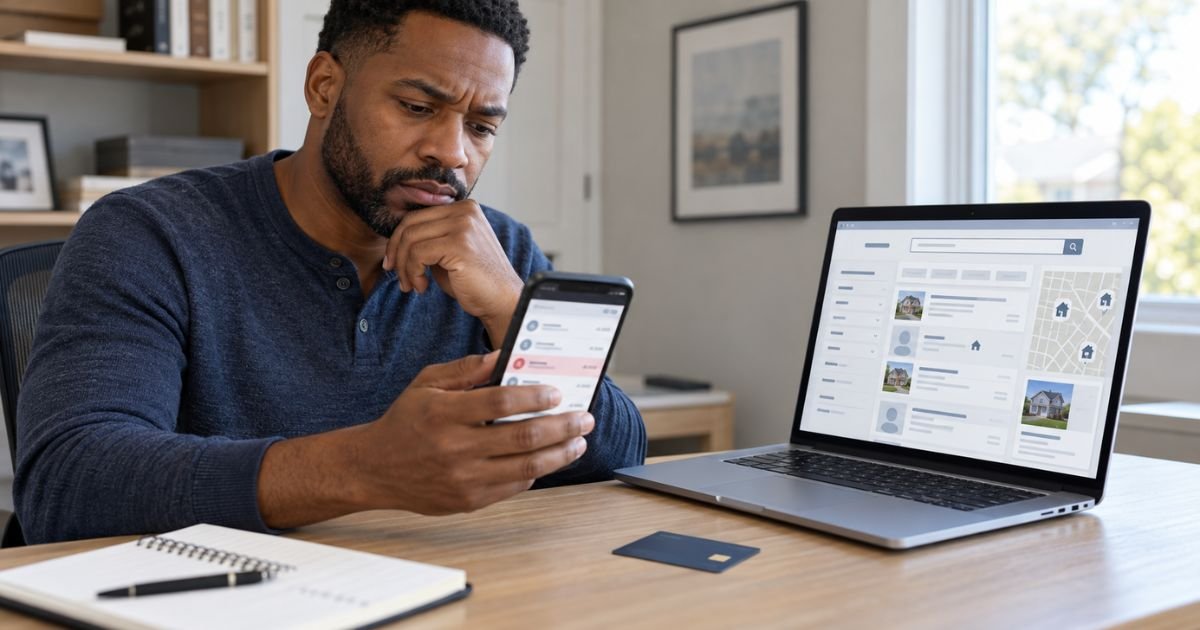
A Public Records Info charge on debit card may come from PublicRecords.info, a private website that provides access to compiled public-record information. Its official terms state that transactions may appear as “PublicRecords.info” or a similar identifier on a payment statement.
The charge can result from purchasing public-record reports or choosing an installment payment option. Check your email, browser history, transaction amount, and the exact billing descriptor before deciding the charge is unauthorized.
What Is the Public Records Info Charge on Debit Card?
PublicRecords.info is a commercial public-record search service. It collects information from public and independent data sources and provides reports covering areas such as people, property, court, criminal, vehicle, and contact information.
It is important to understand that PublicRecords.info is not a government agency. The company also states that it is not a consumer reporting agency and that its information cannot be used for purposes such as employment, tenant screening, insurance, or credit decisions that require Fair Credit Reporting Act compliance.
You may therefore see a Public Records Info debit card charge after paying for access to reports on the website. The name on your bank statement may look government-related, but the payment is for a private online information service.
The company’s official terms say purchases may be made through a one-time payment or a finite installment arrangement. Under an installment plan, the total purchase price is divided into scheduled card payments rather than being charged all at once.
Current PublicRecords.info report pages also advertise specific report bundles with scheduled installment payments. Pricing can change, so rely on the checkout confirmation associated with your own purchase rather than assuming every Public Records Info charge follows the same amount or schedule.
Why the Charge Appears
A Public Records Info charge may appear because:
- You searched for a person or contact information.
- You looked up property or ownership records.
- You purchased access to court or criminal record information.
- You searched vehicle or traffic-related public records.
- You selected a report package with installment payments.
- A previously authorized installment became due.
- Another person authorized to use your debit card purchased a report.
- You recognize the search but did not recognize the PublicRecords.info billing descriptor.
The company’s terms say scheduled installments can be charged automatically according to the payment schedule accepted at checkout.
This makes it important to check the original order confirmation. A charge appearing weeks after your first search does not automatically mean someone stole your card.
How Public Records Info Billing Works
PublicRecords.info currently offers some report packages through finite installment plans. Its official terms explain that the total amount is established at checkout and divided into a defined number of scheduled payments.
Unlike an open-ended subscription that renews indefinitely, the company’s terms say these installment arrangements end after the final scheduled payment. No additional billing should occur after the fixed purchase price has been paid in full.
However, PublicRecords.info also says you can close your account to stop remaining payments. Its current public-record pages state that account closure voids future unpaid installments.
The exact price and payment schedule depend on the package you selected. Always use the purchase confirmation tied to your transaction to determine what you agreed to pay.
How to Verify the Charge
Start by opening the transaction in your banking app. Look for the complete merchant descriptor rather than relying on a shortened notification.
Then:
- Note the exact amount and transaction date.
- Search your email for “PublicRecords.info” or “Public Records.”
- Check your browser history for recent public-record or property searches.
- Look for an order or checkout confirmation.
- Sign in to the PublicRecords.info account associated with your email.
- Compare the transaction with the payment schedule shown in your order.
- Ask other authorized card users whether they performed a records search.
PublicRecords.info says transactions may appear as PublicRecords.info or a similar identifier, so small differences in the descriptor do not necessarily mean it is a different business.
If the website, email address, amount, and transaction date all match your purchase, you have probably identified the charge.
Is the Public Records Info Charge Legitimate?
The charge can be legitimate when you recently used PublicRecords.info and the transaction matches the price or installment arrangement accepted during checkout.
It may also be legitimate if another authorized cardholder purchased a report using your debit card.
Consumer reviews show mixed experiences around billing. Some reviewers describe quickly receiving help with cancellation or refunds, while others say they did not initially understand that additional payments would follow their first search. These are individual consumer reports and do not establish whether any particular transaction is authorized.
Treat the transaction as more suspicious if you have never visited PublicRecords.info, cannot locate any matching receipt, nobody authorized to use your card recognizes the transaction, or several unexplained charges appear.
An unfamiliar descriptor alone is not proof of fraud.
Is It a Recurring Charge?
It can appear repeatedly, but the company’s official terms describe its current payment structure as including finite installment arrangements rather than necessarily an unlimited recurring subscription.
If you selected an installment option, PublicRecords.info says your card can be charged when each installment becomes due. Billing is supposed to end after the final payment in the agreed schedule.
This distinction matters. A repeating transaction may be another payment toward a fixed report package rather than a monthly membership that renews forever.
Check your checkout confirmation for the number of payments and total purchase price.
How to Cancel Public Records Info Payments
PublicRecords.info provides several official ways to close an account and stop future payments.
- Visit PublicRecords.info.
- Select the Close Account option.
- Enter the email address associated with your account.
- Follow the account-closure instructions.
- Alternatively, contact support by phone, email, or live chat.
- Save the confirmation showing your account was closed.
The company’s current website says closing an account ends future payments and voids remaining unpaid installments.
Keep the confirmation until you have checked your next bank statement.
How to Request a Refund
PublicRecords.info’s terms currently state that customers who are dissatisfied with an order may request a refund by contacting the company. Refund requests can be made through email, telephone, or live chat.
A refund and account closure are separate actions. If you want money returned for an existing transaction, specifically ask for a refund rather than only asking to stop future payments.
Keep copies of your receipt, transaction details, support messages, and any refund confirmation.
How to Contact PublicRecords.info
The company publishes the following contact details on its official website.
| Detail | Info |
|---|---|
| Website | PublicRecords.info |
| Phone | 1-877-381-8701 |
| support@publicrecords.info | |
| Support options | Phone, email, and live chat |
| Account closure | Available through the website’s Close Account page |
PublicRecords.info says its support channels are available around the clock on its account and pricing pages.
What to Do If You Do Not Recognize It
If you cannot connect the charge to a purchase:
- Copy the full billing descriptor from your bank statement.
- Search your email and browser history for PublicRecords.info.
- Ask anyone authorized to use the debit card.
- Contact PublicRecords.info and ask whether your card transaction matches an account or order.
- Request account closure if an unwanted account exists.
- Ask for a refund if appropriate.
- If you still believe the payment was unauthorized, contact your bank.
- Ask your bank about disputing the transaction.
- Consider locking or replacing the card if your bank recommends it.
- Review nearby transactions for other activity you do not recognize.
With debit cards, reporting an unauthorized electronic transaction promptly can matter. Your bank can explain the deadlines and protections that apply to your account.
FAQs About Public Records Info Charge on Debit Card
Is Public Records Info a government charge?
No. PublicRecords.info states that it is not a government-affiliated agency. It is a private service that provides information gathered from public and independent databases.
Why am I getting more than one Public Records Info charge?
You may have selected an installment payment arrangement when purchasing a report package. The company’s terms allow scheduled charges until the fixed purchase price has been paid or the account is closed.
Can I stop future Public Records Info payments?
Yes. PublicRecords.info says customers can close their account through its website, live chat, support email, or telephone. Its current site says account closure ends future payments.
Can I get a refund from PublicRecords.info?
The company’s current terms say customers may request a refund by contacting support through email, telephone, or live chat. Whether a specific transaction qualifies should be confirmed directly with the company.
Conclusion
A Public Records Info charge on debit card may come from PublicRecords.info after you purchase access to public-record reports or select an installment payment option. The company is a private records-search service, not a government agency.
Check your receipt, email, browser history, and original payment terms first. If you recognize the service but no longer want future payments, close the account using the company’s official support channels.
If you cannot connect the charge to any authorized purchase, contact PublicRecords.info for transaction details and then contact your bank about an unauthorized transaction, dispute options, and card security.
Disclaimer: This information is for general informational purposes only. ChargeOnDebitCard.com is not affiliated with the merchant, bank, or financial institution discussed. Contact your financial institution about suspicious transactions or account-specific concerns.