Reach Lifestyle Charge on Debit Card [Decoded]


You open your bank statement or app and notice a charge labeled Reach Lifestyle or Reach Lifestyle Program. The amount is often around $98.72.
You do not remember signing up for anything with that name. That situation leaves many people unsure what to do next.
This article explains what the Reach Lifestyle debit card charge generally relates to, why it can appear, how to check it, and the practical steps to take if you do not recognize it.
What Is the Reach Lifestyle Charge?
The Reach Lifestyle charge is linked to Reach Lifestyle Programs LLC, a New York limited liability company.
State records show the company was filed in December 2021 and remains active. Its process address is listed through a registered agent at 418 Broadway, Ste R, Albany, NY 12207. One filing notes an assumed name of Premier Plans.
Consumer reports describe the charge as a recurring membership or subscription.
Callers or materials associated with the name have referenced services such as home appliance assistance or warranty, roadside assistance, legal or finance assistance, or telehealth and nurse hotline access.
Some promotional pages link the name to sites promoting 24/7 medical advice or wellness programs.
The charge frequently appears as an electronic check or ACH debit rather than a standard card swipe. Amounts near $98.72 are commonly mentioned.
Billing descriptors can vary slightly by bank but usually include “Reach Lifestyle” or “Reach Lifestyle Program.”
Public information about clear enrollment terms, pricing schedules, or easy online cancellation is limited. A Better Business Bureau profile for a related listing shows a D+ rating and notes the business is not accredited.
Why the Charge Appears on Your Debit Card
Possible reasons include:
- You or someone with access to your account completed a phone, online, or other signup that enrolled you in a membership.
- Account details were used in a way that triggered an automatic debit.
- The charge is a recurring monthly membership that continued after an initial period.
- A family member or shared account holder authorized something under this name.
Many people who see the charge report they never knowingly signed up.
Consumer complaint sites and scam trackers contain multiple accounts of unexpected $98.72 withdrawals, difficulty reaching a helpful representative, and requests for additional authorization before cancellation discussions.
Because enrollment details are often unclear from the outside, treat any unrecognized Reach Lifestyle entry as something that needs careful checking.
How to Verify the Reach Lifestyle Charge
Note the exact amount, date, and any reference or check number shown on your statement.
Search your email (including spam) for “Reach Lifestyle,” the amount, or related confirmation messages. Look for any membership, warranty, or telehealth enrollment emails.
Review recent phone calls or online forms you may have completed that asked for bank or card details. Ask household members if they recall any similar signup.
If a phone number appears with the charge (numbers such as 866-462-0664 or 866-494-0313 have been reported), you may call to request details.
Be cautious about sharing extra personal or payment information. Keep a written record of the date, time, and what is said.
Compare everything against your own records. A match to a known signup makes the charge more likely legitimate. No match raises stronger concerns.
Is the Charge Legitimate?
A real New York LLC exists under this name, and some people may have intentionally enrolled in a membership for the listed benefits. That does not mean every charge is authorized.
Consumer reports on complaint platforms and scam trackers frequently describe the charges as unexpected or unauthorized.
Several accounts mention electronic checks that are hard for banks to block in advance because the check numbers change.
Others note pressure to provide more information or authorize a small additional charge before cancellation talk proceeds.
A registered company and a recurring debit do not automatically equal a charge you approved. Verification is essential.
What to Do If You Do Not Recognize the Charge
- Confirm the exact amount, date, and any reference numbers on your statement or bank app.
- Contact the number associated with the charge only if you choose to, and request cancellation plus a refund. Do not provide new card or banking details.
- Log into your bank or credit-union account and report the transaction as unauthorized. Ask them to open a formal dispute or claim.
- Request that future debits from this merchant or descriptor be blocked if your bank offers that option.
- Consider freezing the account or requesting a new account number if repeated electronic checks continue.
- Monitor the account closely for additional attempts.
Debit-card protections under federal rules generally improve when you report promptly. Your bank can explain the specific process and timelines that apply to you.
How to Dispute the Charge With Your Bank
Most banks and credit unions let you start a dispute through the mobile app, online banking, or by phone. Provide the merchant name, amount, date, and any check or reference number.
State clearly that you did not authorize the Reach Lifestyle charge. Ask for a case or claim number and keep notes of every conversation.
Banks typically investigate and may issue temporary credit while they review. Outcomes depend on the evidence and the institution’s findings. Acting quickly supports your position.
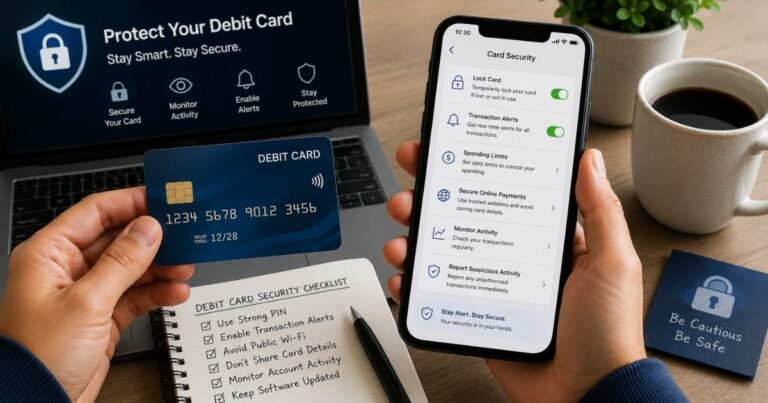
Tips to Avoid Unexpected Membership Charges
Review every bank statement or app notification within a few days.
Set up transaction alerts for amounts above a low threshold.
Be cautious with phone offers that request bank account or routing numbers.
Never share full account details unless you are certain of the company and the service.
If you enroll in any membership, save the confirmation and set a calendar reminder before the next billing date so you can cancel if desired.
Keep strong, unique passwords and enable two-factor authentication on financial accounts.
FAQs About Reach Lifestyle Charge on Debit Card
Why is the amount often $98.72?
Consumer reports frequently mention this specific amount for the monthly membership. Exact pricing can vary, and public confirmation of current rates is limited.
Can the charge appear as an electronic check instead of a card purchase?
Yes. Many complaints describe ACH or electronic-check withdrawals. Banks sometimes find these harder to block in advance when the check numbers change each month.
What if I call and they ask for a small authorization to cancel?
Some users report being asked to authorize an additional small charge before cancellation is discussed. You are not required to do so. You can end the call and go directly to your bank to dispute the original charge.
How long do I have to report an unauthorized debit?
Contact your bank as soon as you notice the charge. Debit-card rules under the Electronic Fund Transfer Act generally favor timely reporting. Your financial institution will give you the exact window that applies to your account.
Conclusion
A Reach Lifestyle charge on debit card is typically connected to Reach Lifestyle Programs LLC and is often described as a membership for appliance, roadside, legal, or telehealth-style benefits. Many consumers report the charge as unexpected or unauthorized.
If you can match it to a signup you made, contact the company for details or cancellation. If you cannot match it, report the transaction to your bank promptly, request a block on future debits, and monitor the account.
Quick, documented action gives you the clearest path to resolution.
Disclaimer: This information is for informational purposes only. ChargeOnDebitCard.com is not affiliated with Reach Lifestyle Programs LLC or any bank. Readers should contact their financial institution about suspicious transactions or account-specific concerns.