Get Insights on Debit Card Online Transactions

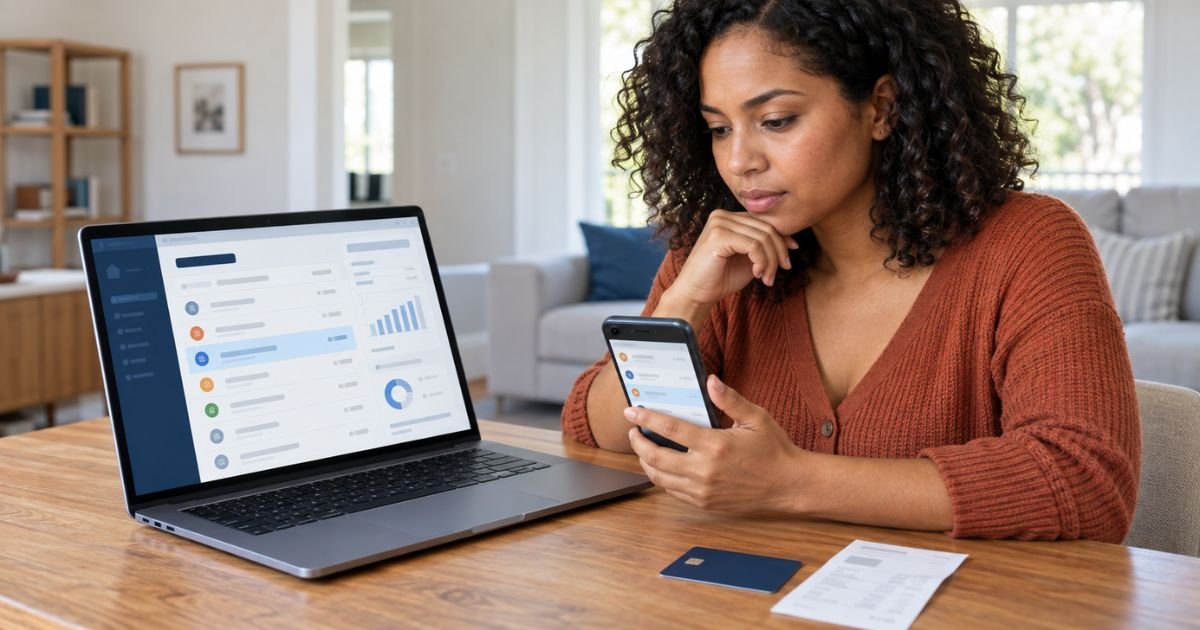
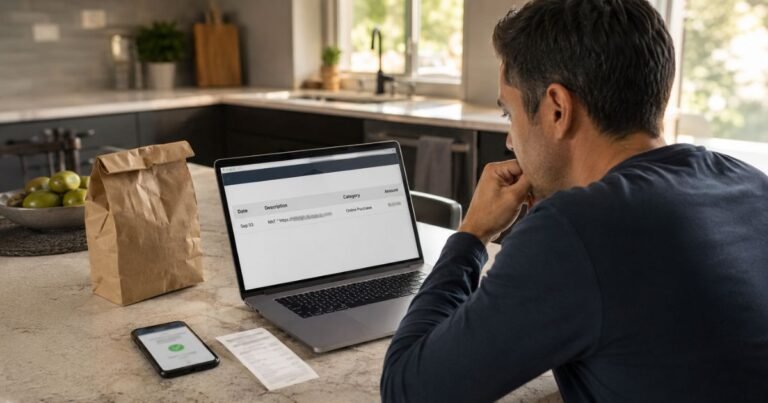
You can get insights on debit card online by signing in to your bank or credit union and reviewing transaction details, pending purchases, merchant names, recurring payments, and account alerts. These details can help you determine where your money went and whether an unfamiliar debit card charge is legitimate.
Start by comparing the transaction amount, date, merchant descriptor, and status with your receipts, emails, subscriptions, and recent purchases. If nothing matches, investigate the charge before assuming it is fraud.
What Is the Get Insights on Debit Card Online?
Getting debit card insights online simply means using online or mobile banking to understand activity connected to your debit card. It is not a specific type of transaction or fee.
Many banks let customers see debit card purchases, ATM withdrawals, deposits, pending transactions, and other account activity digitally. Some institutions also offer spending categories and transaction alerts.
The information available varies by bank. A typical transaction may show:
| Detail | What It Tells You |
|---|---|
| Merchant name | The billing name submitted with the transaction |
| Amount | How much was authorized or charged |
| Transaction date | When the purchase was initiated |
| Posted date | When the bank completed the transaction |
| Status | Whether the charge is pending or posted |
| Location | Merchant location, when supplied |
| Category | How your bank classifies the purchase |
Do not assume the merchant name will always match the store, website, or app name you remember.
Why You May Want Debit Card Insights Online
Checking your debit card activity can help you understand where your money is going and spot transactions that need attention.
Common reasons include:
- You see an unfamiliar merchant name.
- Your available balance is lower than expected.
- A subscription charged you again.
- A hotel, gas station, or other merchant placed a temporary authorization.
- You want to determine whether a purchase is pending or completed.
- You suspect the same transaction was charged twice.
- You want to monitor spending by category.
- You are checking for unauthorized transactions.
- A family member or other authorized person may have used the card.
The CFPB recommends monitoring account activity and reporting suspicious transactions quickly. Online and mobile access can make frequent reviews easier.
How to Read a Debit Card Merchant Descriptor
One of the most useful debit card insights is the merchant descriptor.
A merchant descriptor is the business name or description submitted with a card transaction and displayed on your statement. Visa describes it as the business name or description that appears with the transaction.
The descriptor may not look exactly like the brand name you recognize.
For example, you might buy something from a website that uses:
- A parent company’s legal name
- A payment processor
- An abbreviated business name
- A franchise operator
- A different billing name
- A merchant location instead of its website name
This is why an unfamiliar descriptor does not automatically mean someone stole your card.
Search the exact descriptor online, including unusual abbreviations or phone numbers. Then compare the results with your recent purchases.
Pending vs. Posted Debit Card Charges
Transaction status provides another important insight.
A pending debit card charge usually means the merchant received authorization for the purchase, but the transaction has not fully completed. The amount can affect your available balance while it is pending.
A posted charge has completed processing and is recorded as a finished transaction.
Banks may display both differently. Wells Fargo says a debit card purchase cannot post until the merchant submits the transaction for payment, and posting times can vary.
Pending amounts may also change before posting. This sometimes happens when the final amount is not known at the time of authorization.
Check the final posted transaction before deciding that the amount is incorrect.
How to Verify an Unfamiliar Debit Card Charge Online
Use several pieces of information together instead of relying only on the merchant name.
- Open the transaction details. Check the full merchant descriptor, amount, date, status, and location shown by your bank.
- Check your receipts. Compare the amount with recent store, restaurant, gas, travel, and online purchases.
- Search your email and text messages. Look for receipts, shipping confirmations, subscription renewals, or booking confirmations.
- Review digital wallets. Check Apple Pay, Google Pay, PayPal, or other services you use with the debit card.
- Check subscriptions. Look for memberships, streaming services, software, apps, delivery services, or free trials.
- Ask authorized users. A spouse, partner, or family member may recognize the transaction.
- Search the descriptor online. Use the exact wording from your bank statement rather than guessing the company’s name.
- Contact the merchant when possible. Ask for information about the transaction using the date and amount.
Do not post your complete card number, PIN, CVV, banking password, or account number while researching a charge online.
Is an Unfamiliar Debit Card Charge Legitimate?
An unfamiliar transaction can still be legitimate.
Normal explanations may include a merchant using a different billing name, a recurring subscription, a delayed transaction, an online purchase processed from another location, or a purchase made by another authorized card user.
Wells Fargo notes that an online or phone purchase may sometimes appear to originate from an international location because that is where the merchant processes the transaction.
Suspicious signs are different. Pay closer attention if:
- Nobody authorized to use the card recognizes the purchase.
- You have never dealt with the merchant.
- Several small unfamiliar charges appear.
- You see transactions in places where you have not shopped.
- Charges continue after a subscription was canceled.
- Your physical card is missing.
- You received unexpected account-security alerts.
Do not label a transaction as fraudulent until you have checked reasonable explanations. If you still cannot identify it, contact your financial institution promptly.
How Debit Card Alerts Can Help
Transaction alerts can give you faster insight into new card activity.
Depending on your bank, alerts may be available for purchases, ATM withdrawals, balance changes, online transactions, or transactions above a selected amount. Some banks support text, email, or push notifications.
For example, Wells Fargo lets customers set debit card activity alerts for purchases and ATM withdrawals through online or mobile banking.
Your bank’s alert options may differ.
Alerts are useful because you may notice a transaction shortly after it happens instead of waiting for the monthly statement.
How to Spot Recurring Debit Card Charges
Recurring transactions can be easy to overlook.
Compare several months of online statements and look for the same merchant appearing at regular intervals. Monthly memberships, annual renewals, software subscriptions, fitness services, streaming plans, and trial conversions are common examples.
A recurring electronic payment that you authorized in advance may qualify as a preauthorized electronic fund transfer under Regulation E.
If you recognize the merchant but no longer want the service, contact the merchant and follow its verified cancellation process.
Save the cancellation confirmation. If another payment appears afterward, that record may be useful when you contact the merchant or bank.
What to Do If You Do Not Recognize a Charge
If online research does not explain the transaction, take practical steps quickly.
- Review the full transaction information in your banking app or website.
- Search receipts, emails, subscriptions, and purchase histories.
- Ask anyone authorized to use the account or card.
- Contact the merchant if you can identify it safely.
- Contact your bank or credit union if the transaction remains unexplained.
- Report the transaction as potentially unauthorized when appropriate.
- Ask whether the card should be locked, replaced, or otherwise secured.
- Review nearby transactions for additional unfamiliar activity.
- Change relevant passwords if you believe an online account was compromised.
Federal protections for unauthorized electronic fund transfers can depend on the circumstances and how quickly you notify your financial institution. The CFPB specifically advises consumers to report unauthorized debit card activity promptly.
How to Dispute a Debit Card Charge
The exact dispute process depends on your bank.
Many institutions let you review transactions through online banking and may provide an online dispute option once a transaction posts. Other situations may require you to call the number on the back of your debit card.
Before disputing a transaction, determine whether you are dealing with:
- An unauthorized transaction
- A duplicate charge
- An incorrect amount
- Merchandise or services you did not receive
- A canceled recurring payment that continued billing
- Another type of transaction error
Do not wait unnecessarily if you believe a debit card transaction is unauthorized. Regulation E contains time-sensitive rules that can affect liability for unauthorized electronic transfers.
Tips for Monitoring Your Debit Card Online
Review your account regularly instead of waiting for something to go wrong.
Turn on transaction alerts if your bank offers them. Compare pending transactions with your actual purchases, and periodically review recurring subscriptions.
Also use strong, unique passwords for online banking and enable additional account security features offered by your financial institution.
Most importantly, investigate unfamiliar descriptors early. A strange merchant name may have a simple explanation, but quick review also helps you catch truly unauthorized activity sooner.
FAQs About Get Insights on Debit Card Online
Can I see where my debit card was used online?
Your bank may show the merchant name, amount, date, location, transaction status, and other details. The amount of information depends on the merchant data received and your bank’s online banking system.
Why does my debit card show a merchant name I do not recognize?
The merchant descriptor may use a legal business name, parent company, payment processor, abbreviation, or other billing name. Compare the amount and date with your receipts before deciding that the charge is unauthorized.
Can I see pending debit card charges online?
Many banks display pending debit card transactions through online or mobile banking. A pending transaction is not necessarily the final amount, so check again after it posts.
Should I dispute every unfamiliar debit card charge?
No. First check receipts, subscriptions, family purchases, merchant descriptors, and recent online orders. If you still cannot identify the transaction, contact your bank promptly and ask about its unauthorized-transaction or dispute process.
Conclusion
You can get insights on debit card online by reviewing your bank’s transaction details, pending charges, merchant descriptors, recurring payments, alerts, and account history. These details can often explain a debit card charge that initially looks unfamiliar.
Start with the amount, date, and full billing descriptor. Then check receipts, emails, subscriptions, and authorized card users.
If you still cannot recognize the transaction, contact your financial institution promptly. The bank can explain its dispute process and help you secure the card if an unauthorized transaction may have occurred.
Disclaimer: This information is for general informational purposes only. ChargeOnDebitCard.com is not affiliated with the merchant, bank, or financial institution discussed. Contact your financial institution about suspicious transactions or account-specific concerns.