
What Happens When Debit Card Expires?

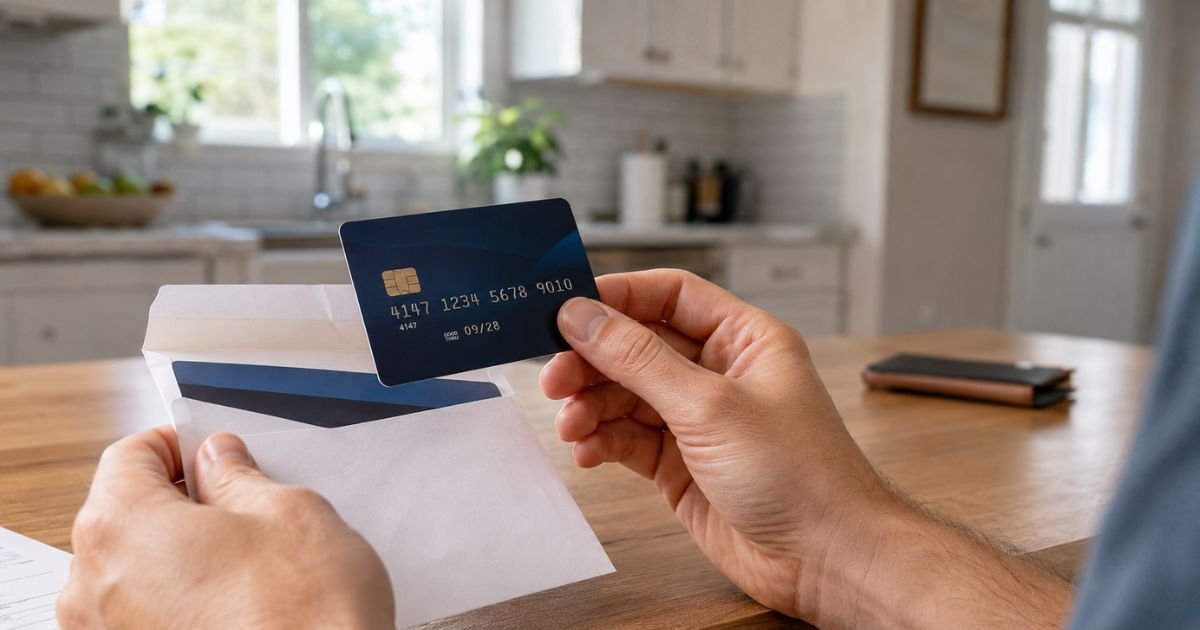
When your debit card expires, it stops working for purchases, ATM withdrawals, and most online transactions. The good news is that your bank account stays open and your money remains available. Most banks automatically mail a replacement card before the old one stops working.
This article explains exactly what happens when your debit card expires, how long the card remains usable, what changes with automatic payments, and the simple steps you need to take so you never lose access to your funds.
What Happens When Debit Card Expires
Your Card Stops Working After the Expiration Month
Debit cards usually remain valid through the last day of the month printed on the card. If the date shows 08/26, the card works until August 31, 2026. Starting the next day, the card network declines any attempt to use it.
Merchants and ATMs check the expiration date on every transaction. An expired date triggers an automatic rejection. You will see a decline message at the register or online checkout.
The card itself is only an access tool. Your checking account balance, direct deposits, and online banking stay fully active. You can still move money with transfers, visit a branch teller, or use checks if your account allows them.
Why Debit Cards Have Expiration Dates
Banks issue debit cards that typically last two to five years. The expiration date serves two practical purposes.
First, it forces an update of security features such as the EMV chip and magnetic stripe.
Second, it changes the expiration date and CVV security code, which reduces the chance that stolen card details remain usable for long periods.
These updates help protect both you and the bank from fraud without requiring you to close or reopen the account.
Banks Usually Send a Replacement Automatically
In most cases you do not need to request a new card. Banks and credit unions mail a replacement to the address on file roughly 30 to 60 days before the current card expires. Some send it during the expiration month itself.
The new card often keeps the same 16-digit number. It arrives with a later expiration date and a new CVV code. In cases of suspected fraud or certain account changes, the bank may issue a completely new number.
Keep your mailing address current in online banking or the mobile app. An outdated address is the most common reason a replacement never arrives.
What to Do When the New Card Arrives
- Activate the card right away. Most banks let you do this by phone (number is usually on a sticker), through the mobile app, or by using the card at an ATM for a balance inquiry or small withdrawal.
- Sign the back if required.
- Update any automatic payments that store the old expiration date and CVV.
- Destroy the old card once the new one works.
Activation is required. Until you activate it, the new card cannot process transactions even though it has arrived.
How Automatic and Recurring Payments Are Affected
Subscriptions, utility bills, streaming services, insurance premiums, and other recurring charges linked to the old card details will fail once the expiration date passes. The merchant receives a decline because the stored expiration date no longer matches.
Some large merchants participate in Visa Account Updater or Mastercard Automatic Billing Updater. These services can automatically share your new expiration date (and card number if it changed) with participating companies after you activate the replacement. Many smaller providers do not participate.
The safest approach is to review your recent statements, list every recurring charge, and manually update the payment method on each site or app. Do this as soon as the new card is active. Waiting risks late fees or temporary service interruptions.
Pending Transactions and Other Access Options
Transactions you already authorized before the card expired usually still clear. The merchant already received approval, so the final settlement posts to your account.
While you wait for a replacement, you still have several ways to reach your money:
- Online and mobile banking transfers
- Branch teller withdrawals
- ACH payments that use your account and routing numbers
- Checks if available
Direct deposits continue normally because they rely on your account and routing numbers, not the debit card.
What to Do If the Replacement Never Arrives
Contact your bank or credit union as soon as the expiration month ends without a new card. Confirm the mailing address on file and request a replacement.
Many institutions can mail one within a few business days or issue a temporary card at a branch the same day.
Some banks also offer digital temporary cards inside their apps that work for online purchases while the physical card is in transit.
How to Safely Destroy the Old Card
Once the new card works, destroy the expired one. Cut through the EMV chip, the magnetic stripe, your name, and the full account number.
Use scissors or a shredder designed for plastic cards. Separate the pieces into different trash bags so they cannot be reconstructed.
Metal cards are harder to cut. Call the bank and ask for a prepaid return envelope if one is offered.
Common Mistakes to Avoid
- Assuming the card works past the printed month. It does not.
- Ignoring the new card in the mail and continuing to use the old one.
- Forgetting to update only a few recurring payments and then facing declined charges weeks later.
- Throwing the whole expired card in the trash without cutting it.
- Waiting until the day after expiration to check whether a replacement was sent.
Practical Tips for a Smooth Transition
Check the expiration date on your current card every few months so you know when the window approaches. Set a calendar reminder for the first of the expiration month.
Keep a second payment method (another debit card, credit card, or cash) available during the transition period.
If you travel frequently or move often, double-check that the bank has your current address well before the card is due to expire.
FAQs About What Happens When Debit Card Expires
Does an expired debit card close my bank account?
No. The account stays open with the same balance, routing number, and account number. Only the physical card and its associated details become inactive.
Can I still withdraw cash at an ATM with an expired debit card?
No. ATMs reject expired cards. You will need the new card or a branch visit.
Will my direct deposit still arrive if my debit card has expired?
Yes. Direct deposits use your account and routing numbers, which do not change when the card is replaced.
How long does it take to get a new debit card if the automatic one never arrives?
Most banks mail a requested replacement within 7 to 10 business days. Expedited options or same-day branch issuance may be available depending on the institution.
Conclusion
When your debit card expires, it simply stops authorizing new transactions while your bank account continues to function normally. Banks almost always send a replacement automatically, and activating that new card plus updating a few recurring payments keeps everything running without interruption.
Check your current card’s date, confirm your address is correct, and act promptly if the new card has not arrived by the end of the expiration month. That is all it takes to move from an expired debit card to a working one with minimal hassle.
Disclaimer: This article provides general educational information about debit cards issued in the United States. Policies can vary by bank or credit union. Contact your financial institution for details specific to your account.