CTLP Charge on Debit Card [Decoded]

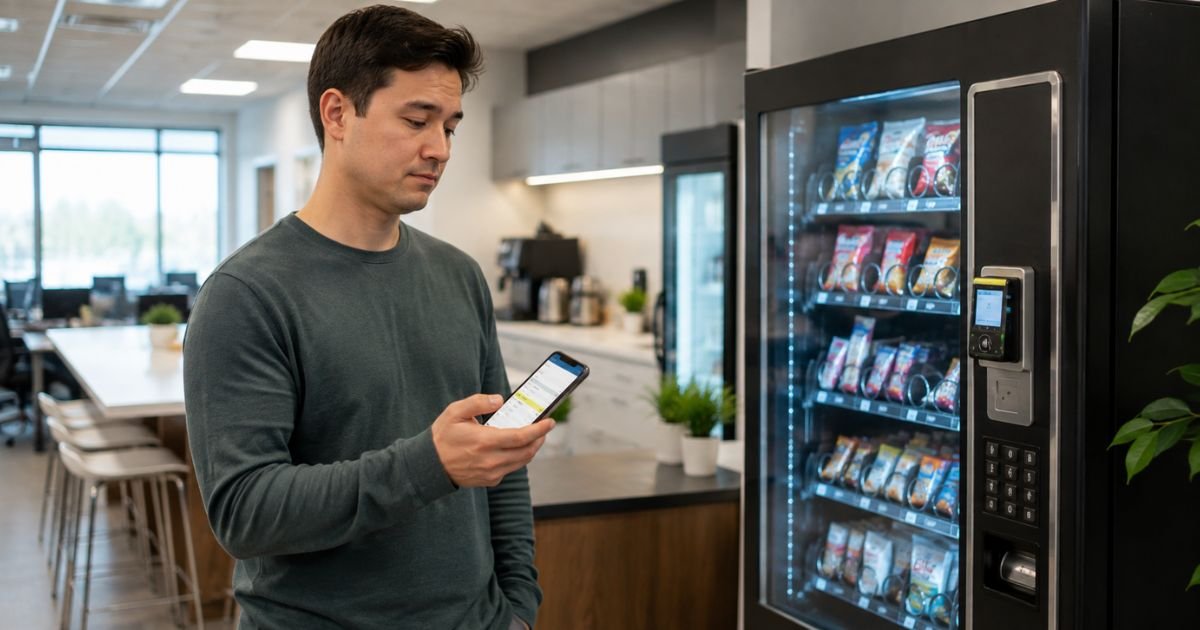
Seeing a CTLP charge on debit card can feel confusing if you do not remember the purchase. These short codes often show up for everyday self-service buys that are easy to forget.
This article explains what the charge usually means, why it appears on your bank statement, how to check it, and what to do next if it still does not look familiar.
What Is the CTLP Charge?
CTLP is the billing descriptor used by Cantaloupe, Inc. Cantaloupe is a U.S. technology company that provides cashless payment systems for unattended machines. Its stock ticker is also CTLP.
When you tap, insert, or swipe your debit card at a vending machine, laundry machine, arcade game, micro-market kiosk, or similar device, the payment often routes through Cantaloupe’s readers. Your bank statement then shows CTLP instead of the machine’s brand name.
Common variations include:
- CTLP*
- CTLP*InReach
- CTLP CSC ServiceWorks
- CTLP Continental
- CTLP National Entertainment
- CTLP followed by a city or operator name
These charges are typically small, often $1 to $10, matching the price of a snack, drink, laundry cycle, or short amusement play.
Cantaloupe is a legitimate, publicly traded company headquartered in Malvern, Pennsylvania. It serves tens of thousands of operators and processes large volumes of self-service transactions.
Why the Charge Appears on Your Debit Card
Most CTLP charges come from simple, everyday uses of card-enabled machines. Here are the most common reasons:
- You bought a snack or drink from a vending machine at work, school, a hospital, or a public place.
- You used a card reader on a shared laundry machine in an apartment building, dorm, or hotel.
- You played a claw machine, arcade game, or kiddie ride.
- You paid at a micro-market, smart cooler, or self-service kiosk.
- Someone else with access to your card made one of these purchases.
The descriptor shows the payment processor rather than the individual machine operator because many unattended devices share the same cashless technology.
Banks also limit the length of statement text, so the full merchant name gets shortened.
How to Verify the Charge
Follow these quick steps:
- Note the exact date, amount, and full descriptor from your bank app or statement.
- Think back to places you visited that day or the day before, such as your workplace break room, a laundry room, or a gas station with air pumps.
- Ask household members or authorized users if they used the card at a machine.
- Check any email receipts or app notifications from the same time period.
- Look for matching pending authorizations that later settled at a slightly different amount.
Matching the date and amount to a real purchase confirms the charge is valid in most cases.
Is the Charge Legitimate?
Yes, CTLP charges are almost always legitimate when they match a purchase you or an authorized user made. Cantaloupe powers card readers on millions of machines across the United States.
Legitimate scenarios include a forgotten vending snack, a laundry cycle, or a short amusement play. Suspicious scenarios are rare but possible.
Watch for repeated large charges, activity in locations you never visited, or charges that continue after you report them. In those cases, treat the transaction as unauthorized and contact your bank right away.
Cantaloupe’s Better Business Bureau profile shows a lower rating mainly from complaints by machine operators about equipment fees and service issues, not from widespread consumer fraud reports.
Why You May See a Different Billing Descriptor
The full line item often adds the machine operator after CTLP. For example:
- CTLP*InReach usually points to a workplace micro-market or vending setup.
- CTLP CSC ServiceWorks typically means a shared laundry machine.
- CTLP National Entertainment often relates to amusement or arcade machines.
These additions help identify the specific operator, but space limits mean the text can still look cryptic. The city listed may be the processor’s location rather than where you made the purchase.
Why Is the Charge Pending?
Some machines place a temporary authorization hold before the final amount posts. The pending amount may match or slightly exceed the actual price.
It usually settles within one to three business days. Once it posts, the pending entry disappears. If a pending charge stays longer than a few days or looks wrong, contact your bank for clarification.
How to Contact the Merchant
Cantaloupe provides consumer support for transaction questions and refunds. According to their help resources, you can reach them at 1-888-561-4748 (option 1 for vending machine customers) or through the contact options on cantaloupe.com.
Have the date, amount, and last four digits of your card ready. They can often help with missing product issues or duplicate charges.
For the specific machine operator (such as a laundry company), you may also need to contact that operator directly if Cantaloupe refers you.
What to Do If You Do Not Recognize the Charge
Take these steps in order:
- Double-check the date and amount against your recent activity and ask anyone who shares the card.
- Call Cantaloupe consumer support with the transaction details and request more information or a refund if the product was not delivered.
- Contact the number on the back of your debit card. Report the charge and ask your bank to investigate.
- Consider temporarily freezing the card through your banking app if you suspect unauthorized use.
- Monitor the account for any additional unfamiliar activity.
- Change passwords on related accounts if you used a digital wallet or loyalty app at the machine.
Debit card protections under federal rules depend on how quickly you report the issue. Act promptly and keep notes of every call or message.
Tips to Avoid Unexpected Charges
- Keep a mental note of card-enabled machines you use, especially at work or in shared laundry rooms.
- Prefer cash for very small purchases when it is convenient.
- Review your debit card transactions a few times a week in the bank app.
- Use a virtual card number if your bank offers one for new or infrequent machine payments.
- Teach family members to tell you when they use the card at unattended devices.
These habits make coded descriptors easier to recognize later.
FAQs About CTLP Charge on Debit Card
What does CTLP stand for on my bank statement?
CTLP is the short billing name for Cantaloupe, Inc., the company that supplies the cashless card readers on many vending machines, laundry machines, and similar devices.
Are CTLP charges usually small amounts?
Yes. Most fall in the $1 to $10 range because they cover snacks, drinks, single laundry cycles, or short game plays. Larger amounts are less common and worth double-checking.
Can a CTLP charge appear more than once for the same purchase?
Sometimes a temporary authorization posts first and then the final amount settles later. The pending hold should drop off. If two identical final charges appear, contact Cantaloupe or your bank right away.
How do I get a refund if the machine took my money but did not give the product?
Call Cantaloupe consumer support with the date, amount, and machine location details. Many operators also post a service number on the machine itself. Your bank can help if the merchant does not resolve it.
Conclusion
A CTLP charge on debit card almost always comes from a legitimate cashless payment at a vending machine, laundry device, arcade, or similar self-service location powered by Cantaloupe technology. Match the date and amount to a recent purchase and the mystery usually clears up quickly.
If nothing matches or the charge looks wrong, contact Cantaloupe support first and then your bank. Quick action keeps your account secure and resolves most issues without stress.
Disclaimer: This information is for informational purposes only. ChargeOnDebitCard.com is not affiliated with Cantaloupe, Inc., any machine operator, or any bank. Readers should contact their financial institution about suspicious transactions or account-specific concerns.