Finsights Charge on Debit Card [Decoded]


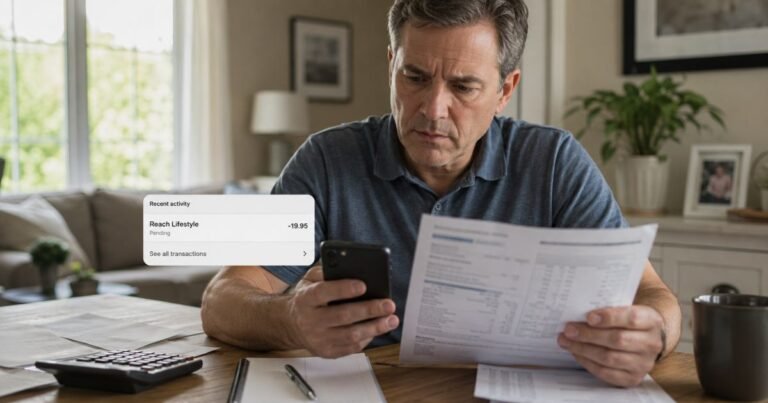
You open your debit card statement or banking app and notice a charge labeled Finsights. You may not remember signing up for anything with that name, so the first question is what the charge is and why it appeared.
This guide explains the charge, typical amounts, how the billing works, and the clear steps to cancel or dispute it.
Quick Answer
A Finsights charge on debit card is usually a recurring monthly membership fee for a financial insights or related subscription service. Amounts commonly fall between $29.95 and $39.95 after a short trial.
What Is Finsights / Financial Insights?
Finsights appears on statements as the billing name for a consumer membership service that markets financial insights, tools, or related content.
The operating entity is frequently associated with an address in Miami, Florida, and a customer service line of 1 (877) 201-1311.
The service typically offers a short trial period. Once the trial ends, the membership converts to a paid monthly plan unless canceled.
Why the Charge Appears on Your Debit Card
When you enroll (or someone with access to your card enrolls), the company stores the payment method. After the trial period, the card is charged the membership fee on a recurring basis.
Many people report that they believed they were signing up for a one-time or low-cost offer and later discovered the ongoing monthly charge. The descriptor “Finsights” or a close variation is what appears on the bank statement.
Typical Amounts
Consumer reports and cancellation videos commonly cite recurring charges in the $29.95 to $39.95 range. Some users first see a small trial amount (sometimes $1 or a few dollars) followed a short time later by the full membership fee.
The charge usually posts monthly until the membership is canceled.
How to Confirm the Charge
- Search your email (including spam) for messages from Finsights, Financial Insights, or related domains.
- Check whether you or a household member recently signed up for any financial tool, AI insights, or credit-related trial.
- Match the exact date and amount on your statement to any confirmation emails.
- Note any phone number or address shown with the charge (Miami is frequently mentioned).
If nothing matches, treat the charge as potentially unauthorized.
How to Cancel the Finsights Membership
According to the service’s own billing page, cancellation options include:
- Call 1 (877) 201-1311 (hours listed as 10 a.m. to 6 p.m. EST, Monday through Friday).
- Email hello@financialinsightai.com.
- Send a written request to the Miami address listed on their site (66 W Flagler Street, Suite 929, Miami, FL 33130).
Ask for written confirmation that the membership has been canceled and that no further charges will occur. Keep a record of the date, method, and any confirmation number.
What to Do If You Do Not Recognize the Charge
Act quickly:
- Contact the service using the phone number or email above and request cancellation plus a refund if appropriate.
- At the same time, call the number on the back of your debit card. Report the exact date, amount, and descriptor. Tell the bank you do not recognize the charge.
- Ask the bank to reverse the transaction if it qualifies as unauthorized and to issue a new card number.
- Remove the card from any online accounts and enable transaction alerts.
- Monitor the account for additional attempts.
Under U.S. electronic fund transfer rules, reporting unauthorized debit activity promptly limits your liability.
Common Experiences Reported by Cardholders
Many people describe starting with a low-cost trial and later seeing recurring $30–$40 charges. Some report difficulty reaching support or charges continuing after they believed they had canceled.
Others successfully stopped the billing by calling the customer service number and following up with their bank.
These patterns are why reviewing statements soon after each posting date and reading the full terms of any trial offer are useful habits.
Practical Tips to Avoid Similar Charges
- Read the complete terms before entering card details on any site that offers free or low-cost trials.
- Use a virtual card number or a dedicated low-limit card for online trials when your bank offers that feature.
- Set banking app alerts for any transaction above a small amount.
- Keep a simple note of every new paid membership you start, including the exact name that will appear on statements.
FAQs About Finsights Charge on Debit Card
Is Finsights a legitimate company?
There is a real membership service that bills under the Finsights / Financial Insights name and provides a cancellation phone number and Miami address. Whether a specific charge on your card was properly authorized depends on whether you or someone with access to the card agreed to the membership terms.
Can I get a refund for past charges?
Refund eligibility depends on the company’s policy and how soon you request it. Contact support first. For charges you did not authorize, your bank’s dispute process is often the most effective route.
Will canceling stop all future charges immediately?
Cancellation should prevent new charges once processed. Confirm in writing and watch the next one or two statement cycles to be sure.
What if charges continue after I cancel?
Contact your bank again, request a merchant block on future Finsights charges, and consider replacing the card number. Keep your cancellation confirmation for reference.
Conclusion
A Finsights charge on debit card is typically the recurring monthly membership fee for a financial insights subscription service. The charge often follows a short trial and commonly falls in the $30–$40 range.
Cancel through the official phone number or email, save the confirmation, and watch your statements. For any charge you did not authorize, report it to both the merchant and your bank promptly.
Checking statements regularly and carefully reading trial terms remain the best ways to avoid unexpected recurring fees.
Disclaimer: This article provides general information based on publicly available billing details and common consumer reports. Pricing, terms, and policies can change. Always verify details directly with the merchant and your bank. This is not financial or legal advice. Report suspected unauthorized charges to your bank immediately.