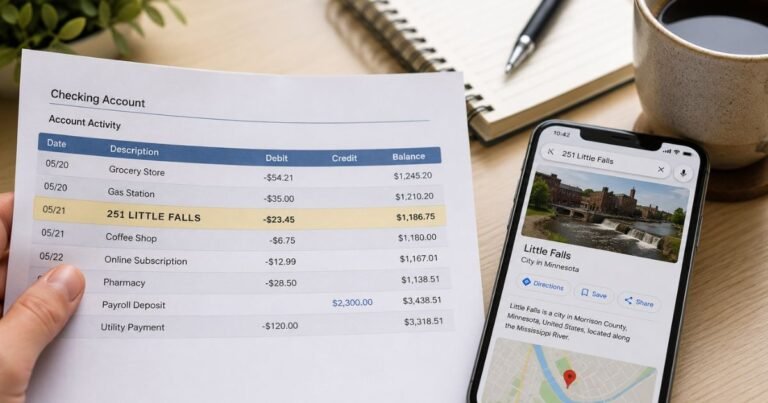
Penny Charge on Debit Card [Decoded]


Seeing a penny charge on debit card can feel confusing if you don’t remember signing up for anything. A one-cent amount pops up on your bank statement or app and raises questions right away.
This post explains what a penny charge usually is, why it shows up, how to check if it’s legitimate, and the exact steps to take if you don’t recognize it.
What Is the Penny Charge?
A penny charge is almost always a $0.01 (or similar tiny amount) temporary authorization or small test transaction on your debit card. It is not a full purchase in most cases.
Merchants and payment systems use these tiny amounts to confirm that your card is real, active, and able to process payments. The charge often appears as pending and then drops off within a few days without becoming a permanent withdrawal.
Descriptor names vary widely. You might see only the amount next to a company name, a payment processor, or a vague label. Typical amounts stay at one cent, though some services use slightly higher test amounts under a dollar.
Why the Charge Appears on Your Debit Card
Here are the most common reasons a penny charge shows up:
- You recently added your debit card to a new service, app, subscription, or digital wallet.
- A merchant is verifying the card before starting a free trial or updating stored payment details.
- A gas station, hotel, or similar business placed a small pre-authorization hold.
- A financial platform is running a micro-authorization as part of account linking.
- In rarer cases, someone is testing stolen card details with a tiny “penny test” before trying larger transactions.
These checks are standard in payment processing. The system simply confirms the card works before larger activity occurs.
How to Verify the Charge
Follow these steps to figure out the source:
- Open your banking app or online statement and note the exact merchant name or descriptor next to the $0.01 amount.
- Think about any recent sign-ups, free trials, app downloads, or payment-method updates you completed in the past week or two.
- Search the merchant name online along with words like “verification charge” or “$0.01.”
- Check your email for confirmation messages from services you may have joined.
- Look at the date. Temporary authorizations usually clear in 1–7 business days and never post as a final charge.
If the amount stays pending only briefly and matches recent activity, it is typically a routine check.
Is the Charge Legitimate?
In most cases, yes. A single penny charge that appears after you added a card somewhere is a normal verification step used by many online services and merchants. It protects both you and the business from bad cards.
The amount is so small that it rarely causes real harm even if it posts temporarily.
However, a series of small unrecognized charges from different places can signal card testing by fraudsters. One isolated penny charge tied to activity you recognize is almost always fine. Multiple unexplained ones deserve quick attention.
How to Cancel Penny Charge Activity
There is usually nothing permanent to cancel because most penny charges are temporary holds that reverse on their own.
If a specific service is repeatedly testing your card or you want to stop future activity:
- Log into the account or app where you added the debit card.
- Remove the card as a payment method or cancel any trial or subscription.
- Contact the service’s support team and ask them to reverse any remaining authorization.
- If the charge has already posted and you do not recognize the merchant, move to the dispute steps below.
No single company owns every penny charge, so focus on the specific merchant name shown on your statement.
What to Do If You Do Not Recognize the Charge
Take these steps right away if the penny charge feels unfamiliar:
- Contact your bank or credit union through the number on the back of your card or in the app. Report the transaction and ask whether it is a temporary authorization.
- Request a freeze or temporary block on the card while you investigate. Many banks let you do this instantly in the app.
- If the charge looks fraudulent, file a dispute under Regulation E. Debit card rules generally limit your liability when you report promptly.
- Ask the bank to issue a replacement card with a new number so the old details cannot be reused.
- Change passwords on any accounts that used the same debit card and review recent activity for other small or strange transactions.
Acting quickly protects you if the charge turns out to be a test by someone else.
Tips to Avoid Unexpected Charges
- Watch your bank app daily for a short period after adding a card anywhere new.
- Prefer credit cards for free trials and new sign-ups when possible. Temporary holds affect available credit, not your checking balance.
- Remove payment methods from accounts you no longer use.
- Turn on transaction alerts in your banking app so you get notified of every charge, no matter how small.
- Avoid saving debit card details on sites you do not fully trust.
- Review statements carefully for patterns of tiny amounts from different merchants.
FAQs About Penny Charge on Debit Card
Does a penny charge mean my card was stolen?
Not always. One isolated $0.01 authorization after you added a card somewhere is usually legitimate verification. Multiple small charges from places you never visited raise a stronger red flag and should be reported.
Will the penny amount stay on my account forever?
Most temporary authorizations disappear within a few business days and never become permanent. If a $0.01 charge posts and stays, contact the merchant or your bank for a refund.
Can I stop companies from running these tests?
You can remove your card from the specific service. Card networks also encourage merchants to use zero-dollar verification methods that never appear on statements, but many still use small test amounts.
How long do I have to dispute an unrecognized penny charge?
Report it as soon as you notice it. Under Regulation E, prompt reporting limits your liability for unauthorized debit transactions. Waiting longer can reduce your protection.
Conclusion
A penny charge on debit card is typically a routine $0.01 verification or pre-authorization that confirms your card works. It appears most often after you add the card to a new service or start a trial.
Check the merchant name, match it to recent activity, and watch whether the amount clears on its own. If nothing looks familiar or you see a pattern of tiny charges, contact your bank right away, freeze the card if needed, and request a replacement.
Staying alert to even the smallest amounts on your bank statement is one of the simplest ways to catch problems early and keep your account secure.
Disclaimer: This article is for informational purposes only and is not affiliated with any merchant, bank, or payment processor. Contact your financial institution directly about any suspicious transactions or account-specific concerns.