Orange Street Charge on Debit Card [Decoded]

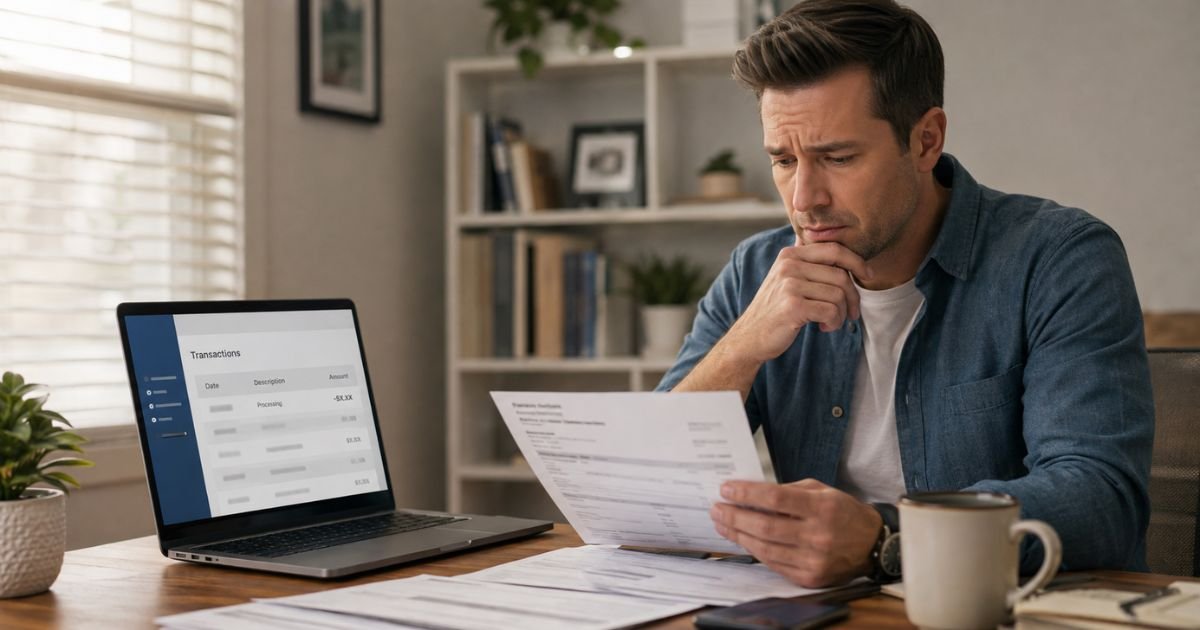
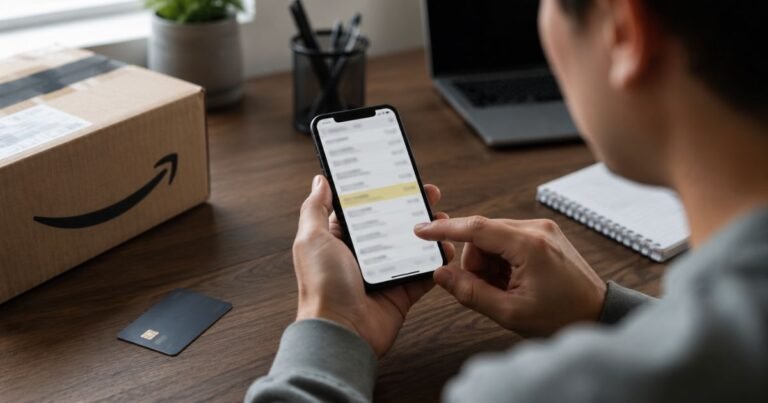
Seeing an “Orange Street” charge on debit card or bank statement can feel confusing if you do not remember the purchase. You are not alone. Many people search for this exact descriptor when it shows up unexpectedly.
This article explains what the charge typically means, why it may appear, how to check if it is legitimate, and the practical steps to take next.
What Is the Orange Street Charge?
An Orange Street charge on your debit card or bank statement is usually a billing descriptor tied to an address rather than a single well-known brand name.
The most common connection is 1209 Orange Street (or North Orange Street), Wilmington, DE 19801.
That address is the Corporation Trust Center. It serves as the registered agent location for hundreds of thousands of Delaware companies through The Corporation Trust Company, also known as CT Corporation System (a Wolters Kluwer company).
Delaware law requires many businesses to maintain a registered agent address in the state for legal notices. CT Corporation provides that service. As a result, the charge you see may come from a company that uses this address, not from CT Corporation itself.
Possible sources include:
- Business formation or LLC filing services
- Registered-agent renewals or annual compliance fees
- Corporate document or compliance products
- Payments processed by a merchant whose legal or billing address links to Orange Street
- A purchase by another authorized card user (spouse, partner, or employee)
Variations of the descriptor can include “Orange Street,” “1209 Orange Street,” “Orange St,” or longer strings that add a company name or processor code.
Some reports also mention “AMDA,1209 Orange Street,” though the exact merchant behind that specific string remains unclear from public sources.
There is also a real business called Orange Street Storehouse that sells coffee and offers subscriptions. If the charge matches a coffee club order or recurring shipment, that is another possible source. In most cases, though, the Delaware registered-agent address is the stronger link.
Exact prices are not standardized because the charge depends on the underlying merchant or service.
Why the Charge Appears on Your Debit Card
Here are the most common reasons an Orange Street charge shows up:
- You or someone with access to the card paid for a business-related service that lists the Wilmington address.
- A company using CT Corporation as its registered agent processed a payment under that address descriptor.
- A free trial or one-time service converted to a paid subscription.
- Another authorized user made the purchase.
- The transaction is pending and the final merchant name has not yet posted.
- In rarer cases, the charge is unauthorized.
Debit card charges pull funds directly from your checking account, so it is wise to investigate quickly.
How to Verify the Orange Street Charge
- Open your bank or card app and view the full transaction details. Note the exact amount, date, any phone number, website, or category code.
- Search your email for “Orange Street,” “1209 Orange Street,” “Wilmington DE,” “registered agent,” “LLC,” or the exact dollar amount.
- Check recent business filings, invoices, or compliance notices if you own or help manage a company.
- Ask other authorized card users whether they recognize the charge.
- Call the number on the back of your debit card and ask the bank for the complete merchant information, including any phone or website linked to the transaction.
If the details still do not match anything you authorized, treat the charge as unrecognized.
Is the Charge Legitimate?
Many Orange Street charges are legitimate business or compliance payments.
CT Corporation itself is a long-established registered-agent provider with an A+ BBB rating in some profiles and generally solid Trustpilot scores, though customer experiences with billing and communication vary.
However, the descriptor alone does not prove the charge is valid for your account. Legitimate scenarios include a real LLC renewal or a coffee subscription you signed up for.
Suspicious scenarios include no matching receipt, no business ownership, no authorized user who remembers the purchase, or repeated charges after you believe you canceled.
Fake or misleading invoices that reference registered-agent services also circulate. Always verify against your own records rather than assuming the charge is correct.
What to Do If You Do Not Recognize the Charge
- Confirm whether the transaction is still pending or has posted. Pending charges sometimes change or drop.
- Gather any receipts, emails, or statements that might explain it.
- Contact your bank or card issuer right away using the number on your card or statement. Ask them to note the inquiry and provide full merchant details.
- If you confirm the charge is unauthorized, file a dispute. For debit cards, federal protections under Regulation E generally apply when you report promptly, though exact timelines and liability can vary by bank and circumstances.
- Consider freezing or replacing the card if you suspect fraud.
- Change any related passwords if the charge might stem from a compromised account.
Do not delay. Debit card disputes are often time-sensitive.
How to Contact the Merchant or Related Parties
There is no single phone number that covers every Orange Street charge because the descriptor usually points to an address used by many different companies.
For CT Corporation / The Corporation Trust Company:
- Official site: wolterskluwer.com/en/solutions/ct-corporation
- General contact line listed on their site: 1-855-316-8944 (confirm current number on the official page)
- Delaware registered-agent address: Corporation Trust Center, 1209 Orange Street, Wilmington, DE 19801
If your bank provides a different merchant phone or website, start there. For Orange Street Storehouse subscriptions, check the account management link in your order emails or log into the shop.
Never share full card details with anyone who contacts you first about the charge.
Tips to Avoid Unexpected Charges
- Review statements weekly in your banking app.
- Keep email confirmations for any business filings or subscriptions.
- Set calendar reminders for renewal dates if you use registered-agent services.
- Use unique card numbers or virtual cards for one-time or trial services when your bank offers them.
- Cancel trials in writing or through the official portal before the billing date and save the confirmation.
FAQs About Orange Street Charge on Debit Card
Why does the charge say Orange Street instead of a company name?
Banks display the billing descriptor the merchant or processor sends. Many Delaware companies list the registered-agent address, so “Orange Street” or “1209 Orange Street” appears instead of a brand name.
Could this be a recurring charge?
Yes. Registered-agent renewals, compliance subscriptions, and coffee clubs can bill monthly or annually. Check your statements for earlier matching amounts.
Is Orange Street the same as CT Corporation?
Not exactly. The address belongs to the Corporation Trust Center operated by CT Corporation. The charge is usually from a client company that uses that address, not from CT Corporation itself.
What if the charge is pending?
Wait a day or two for it to post. Pending descriptors sometimes update with clearer information. If it remains unfamiliar after posting, contact your bank.
Conclusion
An Orange Street charge on debit card most often links to the well-known registered-agent address at 1209 Orange Street in Wilmington, Delaware. It can be a legitimate business or subscription payment, but the descriptor alone does not identify the exact merchant.
Start by matching the amount and date to your records and emails. Ask authorized users. Then contact your bank for full merchant details. If you still cannot identify the charge, dispute it promptly.
Acting quickly protects your account and gives you the clearest path to resolution.
Disclaimer: This information is for informational purposes only. ChargeOnDebitCard.com is not affiliated with CT Corporation, Wolters Kluwer, Orange Street Storehouse, any bank, or any merchant that may use an Orange Street descriptor. Contact your financial institution directly about any suspicious or unrecognized transactions on your account.