Daisy Days Charge on Debit Card [Decoded]


Finding a Daisy Days charge on debit card can feel unsettling, especially if the amount is tiny and you do not recall any related purchase. Many people first notice it as a small line item that does not match anything they remember buying.
This article explains what the charge typically represents based on available reports, why it appears, how to check whether it is legitimate, and the clear steps to take next.
What Is the Daisy Days Charge?
The Daisy Days charge on a debit card or bank statement is an unidentified merchant descriptor. Consumer reports and charge-tracking sites describe it most often as a small transaction, frequently under one dollar.
In some cases the statement shows a location such as Shoals, Indiana, and a category like eating places or restaurants. Cardholders who checked further have reported finding no matching restaurant or clear business at that location.
No verified company website, customer-service number, product, or subscription service has been reliably linked to the exact “Daisy Days” billing name for these small charges. The descriptor has appeared in reports for years, yet public information remains limited.
It is possible the name belongs to a payment processor or a small merchant that uses this label. It is also possible the charge is a card-testing attempt. Without a confirmed merchant identity, the safest approach is to treat an unrecognized Daisy Days charge with caution.
Why the Charge Appears on Your Debit Card
Common situations reported by cardholders include:
- A very small amount (often $0.20 to $1) that does not match any recent purchase.
- A pending or declined authorization that later posts or reverses.
- A location code pointing to a small town such as Shoals, Indiana.
- No matching confirmation email or receipt in the cardholder’s records.
Fraudsters sometimes run tiny “test” charges to check whether stolen card details still work. If the small charge succeeds, larger ones may follow. Legitimate one-time purchases can also use unusual descriptors, but the combination of a tiny amount and an untraceable merchant name raises more concern than a normal retail charge.
Is the Daisy Days Charge Legitimate?
Evidence does not clearly support a well-known legitimate business behind most Daisy Days charges. Multiple charge-identifier sites list it as an unverified or suspicious descriptor.
A charge could be legitimate if you recently ordered something from a small online seller that happens to bill under this name and the amount matches a receipt you can find. In the absence of any matching purchase history, the charge is more likely unauthorized.
Treat small unrecognized charges seriously even when the dollar amount is low. Card-testing activity often starts with amounts under one dollar.
How to Verify the Charge
- Look at the exact date, amount, and any location or category shown on your statement.
- Search your email and text messages for receipts or confirmations from the same day using keywords like “Daisy Days,” “Shoals,” or the exact amount.
- Review recent online purchases, especially any new websites or apps where you entered card details.
- Ask family members who share the account whether they made a small purchase.
- Contact your bank’s customer service and ask for any expanded merchant details they can see.
If nothing matches, move quickly to the next steps.
What to Do If You Do Not Recognize the Charge
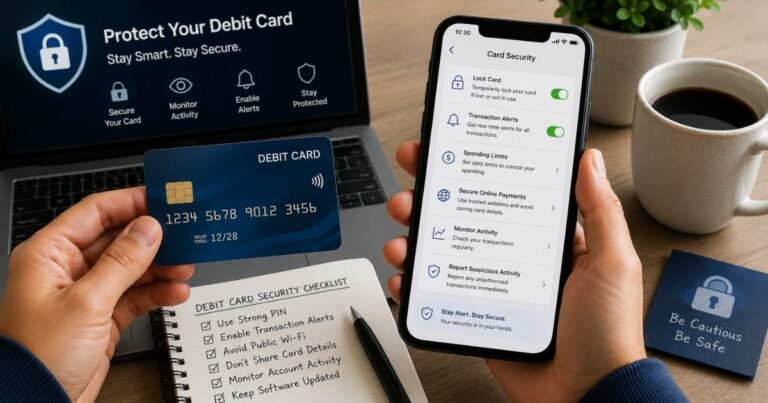
- Log into your bank or credit-union app and freeze or lock the debit card right away. Most institutions let you do this in seconds.
- Call the number on the back of your card or use the bank’s secure messaging system to report the charge as unauthorized.
- Ask the bank to monitor the account for additional activity and, if needed, issue a replacement card with a new number.
- Review recent account activity for any other unfamiliar charges, even small ones.
- Change passwords on any shopping sites or email accounts that may have been linked to the card if you suspect a data breach.
- Keep written notes of the dates, amounts, and who you spoke with at the bank.
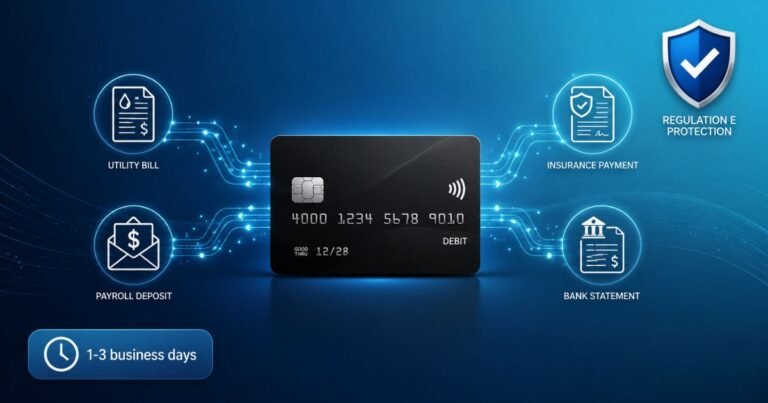
Under federal rules that protect debit-card users (Regulation E), you generally have a limited window to report unauthorized transfers.
Reporting promptly improves the chance of a favorable outcome. Exact timelines and coverage can vary by institution and situation, so follow your bank’s instructions carefully.
Tips to Reduce the Risk of Similar Charges
- Turn on real-time transaction alerts in your banking app so small charges appear immediately.
- Avoid entering debit-card details on unfamiliar websites or public Wi-Fi.
- Use virtual card numbers or a dedicated card for online shopping when your bank offers them.
- Regularly review statements for any recurring or tiny unrecognized items.
- Shred or securely destroy old cards and statements that show full account numbers.
FAQs About Daisy Days Charge on Debit Card
Why is the amount so small?
Tiny amounts are a common pattern in card-testing activity. Fraudsters often try a charge under one dollar first. If it succeeds, they may attempt larger purchases later.
Does the Shoals, Indiana location mean anything?
Some bank records list Shoals, Indiana, with the Daisy Days descriptor. Cardholders who investigated have reported finding no matching local business that explains the charge. The location alone does not confirm a legitimate purchase.
Can I get my money back?
If the charge is unauthorized, contact your bank promptly to start a dispute. Success depends on the timing of your report, the bank’s investigation, and the specific facts of the case. Your bank will explain the process that applies to your account.
Should I cancel the card even for a small amount?
Yes. Freezing or replacing the card is a practical step when a charge is unrecognized. Small test charges can precede larger unauthorized activity.
Conclusion
The Daisy Days charge on debit card is most often an unidentified descriptor linked to small, unrecognized transactions. Public reports do not point to a clear, verified merchant that reliably explains these charges. Many cases raise concerns about possible card testing.
Check your records carefully. If the charge does not match any purchase you or a household member made, contact your bank right away, freeze the card, and request a replacement if needed. Acting quickly protects your account and gives you the best chance of resolving the issue.
Disclaimer: This information is for informational purposes only. ChargeOnDebitCard.com is not affiliated with any merchant or bank. Contact your financial institution about suspicious transactions or account-specific concerns.