CardProtect Charge on Debit Card [Decoded]


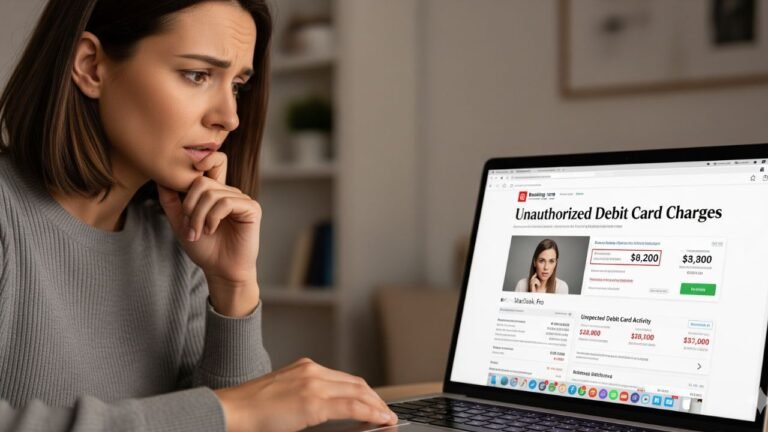
You check your debit card statement or banking app and notice a charge labeled CardProtect or cardprotect.co. The name sounds security-related, so the first question is whether this is something you signed up for or an unexpected fee.
CardProtect can refer to two different things: a free card-control tool offered by some banks, or a third-party paid service. This guide explains both possibilities, how the charge usually appears, and the clear steps to take if you do not recognize it.
Quick Answer
A CardProtect charge on debit card is most often a payment to a third-party service operating under cardprotect.co. Some banks also offer a free feature with the same name that lets you lock or control your card.
If you see an actual monetary charge and did not authorize a protection plan, contact the service to cancel and report the charge to your bank.
What Is CardProtect?
There are two common uses of the name:
Bank-provided CardProtect feature
Several U.S. banks offer a free tool called CardProtect (or similar) inside their online or mobile banking. It lets you turn your debit or credit card on and off, set spending limits, and receive alerts. This feature itself does not usually create a separate charge on your statement.
Third-party CardProtect service (cardprotect.co)
A separate company uses the name CardProtect and the domain cardprotect.co. Its support pages state that if you see “cardprotect.co” on your billing statement, you may have purchased a product or service from them. This is the version that generates an actual debit or credit to your account.
Why the Charge Appears
The paid CardProtect service is typically a membership or protection plan. People often encounter it through online offers, pop-ups, or add-ons during other purchases. Once enrolled, the service stores the payment method and bills on a recurring basis.
The merchant descriptor that appears on statements is usually CardProtect or cardprotect.co. Because the name sounds like a bank security feature, many cardholders initially assume it is something their bank added.
How to Tell Which Version You Have
- If the entry is only a note or setting inside your bank’s app and no money left your account, it is likely the free bank control tool.
- If an actual amount was charged and the descriptor includes cardprotect.co (or a similar variation), it is the third-party service.
Check the exact amount and whether the transaction reduced your available balance.
How to Cancel a CardProtect Charge
For the third-party service:
- Visit the support or cancellation page associated with cardprotect.co if available.
- Contact the company using any phone number or email listed on their site or in confirmation emails.
- Request written confirmation that the membership has been canceled and that no further charges will occur.
If you cannot reach them or the charge continues, move to the bank dispute process described below.
What to Do If You Do Not Recognize the Charge
Act quickly:
- Call the number on the back of your debit card. Report the exact date, amount, and full descriptor (CardProtect or cardprotect.co).
- Tell the bank you do not recognize the transaction and want it investigated as potentially unauthorized.
- Ask them to reverse the charge if it qualifies and to issue a new card number if needed.
- Remove the card from any online accounts and enable real-time transaction alerts.
- Monitor the account for additional attempts.
Under U.S. rules for electronic fund transfers, reporting unauthorized debit activity promptly limits your liability. Most banks will investigate and protect the account when the charge is clearly unrecognized.
Common Experiences
Some cardholders report that they never intentionally signed up for a CardProtect plan and only noticed the recurring fee later.
Others say the service was presented as an optional add-on during another purchase.
In multiple cases people successfully stopped the billing by canceling with the company and following up with their bank.
These patterns are why reviewing statements soon after each posting date is important.
Practical Tips
- Read the full terms before accepting any “protection,” “privacy,” or “card safety” add-on during online checkouts.
- Use a virtual card number or a dedicated low-limit card for unfamiliar offers when your bank provides that option.
- Set banking app alerts for every transaction or for amounts above a low threshold.
- Keep a simple list of every paid membership you start, including the exact name that will appear on statements.
FAQs About CardProtect Charge on Debit Card
Is CardProtect a bank fee?
Usually no. Most banks that offer a CardProtect control tool do not charge a separate fee for it. An actual money charge is more likely from the third-party service at cardprotect.co.
Can I get a refund?
Refund eligibility depends on the company’s policy and how soon you request it. Contact the service first. For charges you did not authorize, your bank’s dispute process is often the most effective route.
Will canceling stop future charges immediately?
Cancellation should prevent new charges once processed. Confirm in writing and watch the next one or two statement cycles.
What if charges continue after I cancel?
Contact your bank again, request a merchant block on future CardProtect charges, and consider replacing the card number. Keep your cancellation confirmation.
Conclusion
A CardProtect charge on debit card is most often a payment to the third-party service operating under cardprotect.co rather than a standard bank fee. Some banks offer a free card-control feature with the same name that does not create a charge.
If money left your account and you do not recognize the service, cancel with the company and report the charge to your bank promptly.
Reviewing statements regularly and carefully reading any protection or membership offers remain the best ways to avoid unexpected fees.
Disclaimer: This article provides general information based on publicly available details about CardProtect services and common consumer experiences. Terms and policies can change. Always verify details with your bank and the merchant involved. This is not financial or legal advice. Report any charge you did not authorize to your bank right away.