Veritec Solutions Charge on Debit Card [Decoded]

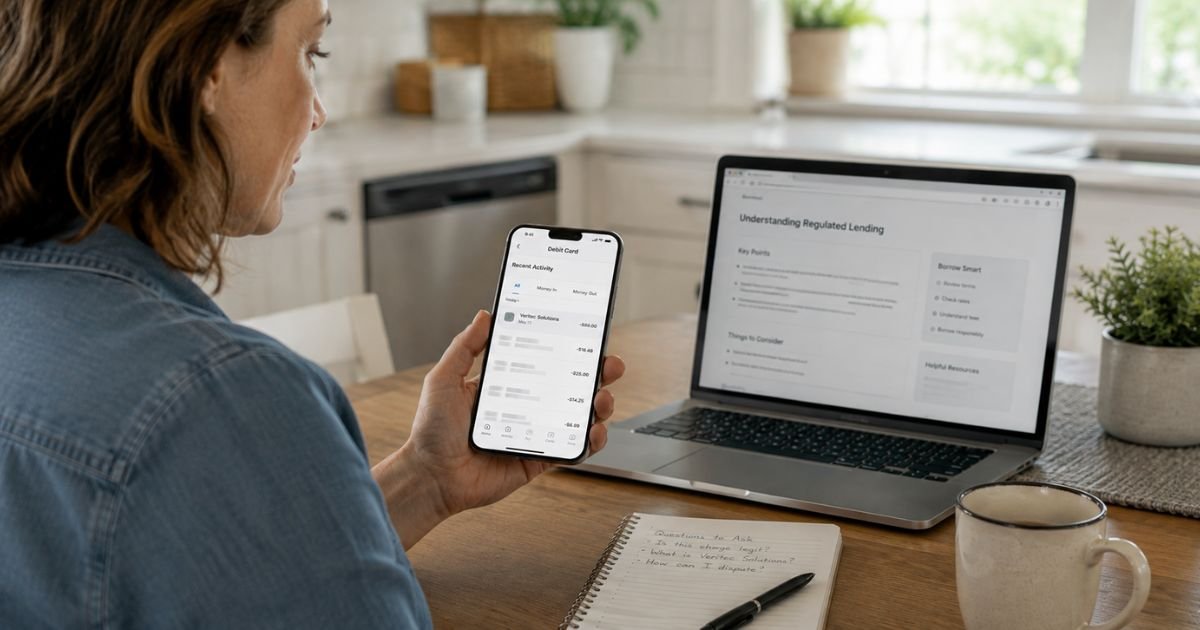
A Veritec Solutions charge on debit card can feel confusing if you do not remember authorizing it. This entry often links to regulated short-term lending activity rather than a random merchant purchase.
This article explains who is behind the charge, why it typically appears, how to confirm it is legitimate, and the clear steps to take next.
What Is the Veritec Solutions Charge?
Veritec Solutions LLC (now operating under Catalis Regulatory & Compliance) provides statewide regulatory compliance databases used by licensed lenders for deferred presentment transactions, also known as payday loans, as well as certain title loans and similar products.
The company, based in Jacksonville, Florida, has operated these systems for multiple states since the early 2000s. Lenders must report transactions in real time so regulators can enforce limits on loan amounts, fees, and frequency.
When a repayment or related fee is processed, the billing descriptor on your debit card statement may show Veritec Solutions.
Common amounts range from small database verification fees (often $1–$3 per transaction in some states) to larger loan repayments or NSF-related charges. The exact descriptor can vary slightly by bank or processor.
Why the Charge Appears on Your Debit Card
Typical reasons include:
- You took a short-term loan from a licensed payday or deferred-presentment lender, and the repayment (or a portion of it) was processed through the state database system.
- A small regulatory verification fee was assessed and passed through or associated with the transaction.
- A returned check or non-sufficient-funds fee tied to a prior loan repayment.
- An installment or automatic repayment authorized when you signed the loan agreement.
These systems exist to protect consumers by preventing over-lending and ensuring compliance with state rules. The charge itself is usually initiated by the lender, not by Veritec acting as a direct seller of consumer products.
Is the Veritec Solutions Charge Legitimate?
Yes, in the large majority of reported cases. Veritec Solutions has long-standing contracts with state regulators to operate these databases. The company is a real, established provider of compliance technology and was acquired by Catalis.
Consumer complaints more often involve the underlying loan terms or unexpected fees from the lender than fraud by Veritec itself.
If you never took a short-term loan or authorized any related repayment, the charge may still be unauthorized and should be investigated promptly.
How to Verify the Charge
- Note the exact amount, date, and full descriptor on your bank statement or app.
- Search your email and records for any recent short-term loan agreements, payday advances, or deferred-presentment contracts.
- Contact the lender listed on any loan paperwork and ask whether a repayment or fee was processed through the Veritec system.
- Reach out to Veritec or the state customer-care line associated with the database (where available) with the transaction details.
Matching the charge to a known loan usually resolves the question quickly.
What to Do If You Do Not Recognize the Charge
- Call the number on the back of your debit card and report the Veritec Solutions charge as unrecognized or unauthorized.
- Ask your bank to investigate and begin a formal dispute if appropriate.
- Contact the original lender (if you can identify one) to confirm whether any repayment was scheduled.
- If no loan exists, request that your bank freeze the card or issue a replacement to stop further attempts.
- Keep detailed notes of every conversation, including dates and reference numbers.
- Monitor your account for additional similar charges.
Debit card protections under Regulation E have time limits, so report the issue as soon as possible.
How to Contact the Merchant or Related Support
Publicly listed contact points for Veritec Solutions / Catalis regulatory services include the Jacksonville office area code and toll-free numbers used in some state programs.
One commonly referenced customer-service line is (877) 677-3514. Michigan’s deferred-presentment customer care center has used 1-866-643-7701 during business hours.
Always verify the number independently before sharing personal or account information. The official website associated with the regulatory services is veritecs.com (now under the Catalis group).
How to Dispute the Charge With Your Bank
Open a dispute through your bank’s app, website, or phone line. Provide the transaction date, amount, descriptor, and any notes from the lender or Veritec.
Banks review the claim and may issue a temporary credit while investigating. Results depend on the specific facts and timing of your report.
Tips to Avoid Unexpected Charges
Review any short-term loan documents carefully before signing. Keep records of repayment dates and authorized amounts. Check your debit card activity weekly. Set up transaction alerts so new charges appear immediately on your phone.
FAQs About Veritec Solutions Charge on Debit Card
Why does the charge show Veritec instead of the lender’s name?
State-regulated systems often process or record the transaction under the database provider’s name. The actual loan agreement is still with the licensed lender.
Is this a recurring subscription?
Usually no. Most Veritec Solutions charges relate to one-time or scheduled loan repayments rather than an ongoing consumer subscription you signed up for independently.
Can I get a refund?
If the charge is a legitimate loan repayment, the lender controls refund or adjustment requests. If it is unauthorized, dispute it with your bank. Small regulatory fees are generally non-refundable once the transaction is completed under state rules.
What if charges keep appearing?
Contact your bank immediately, request a merchant block if available, and consider replacing the card. Also notify the original lender in writing that you revoke any further authorization.
Conclusion
A Veritec Solutions charge on debit card most often stems from a short-term loan repayment or related regulatory fee processed through a state compliance database.
Check your records for any recent payday or deferred-presentment loans first. If the charge does not match anything you authorized, contact your bank right away and open a dispute.
Acting quickly protects your account and helps clear up the charge through the proper channels.
Disclaimer: This information is for informational purposes only. ChargeOnDebitCard.com is not affiliated with Veritec Solutions, Catalis, any lender, or any bank. Readers should contact their financial institution about suspicious transactions or account-specific concerns.