Store Charge on Debit Card [Decoded]

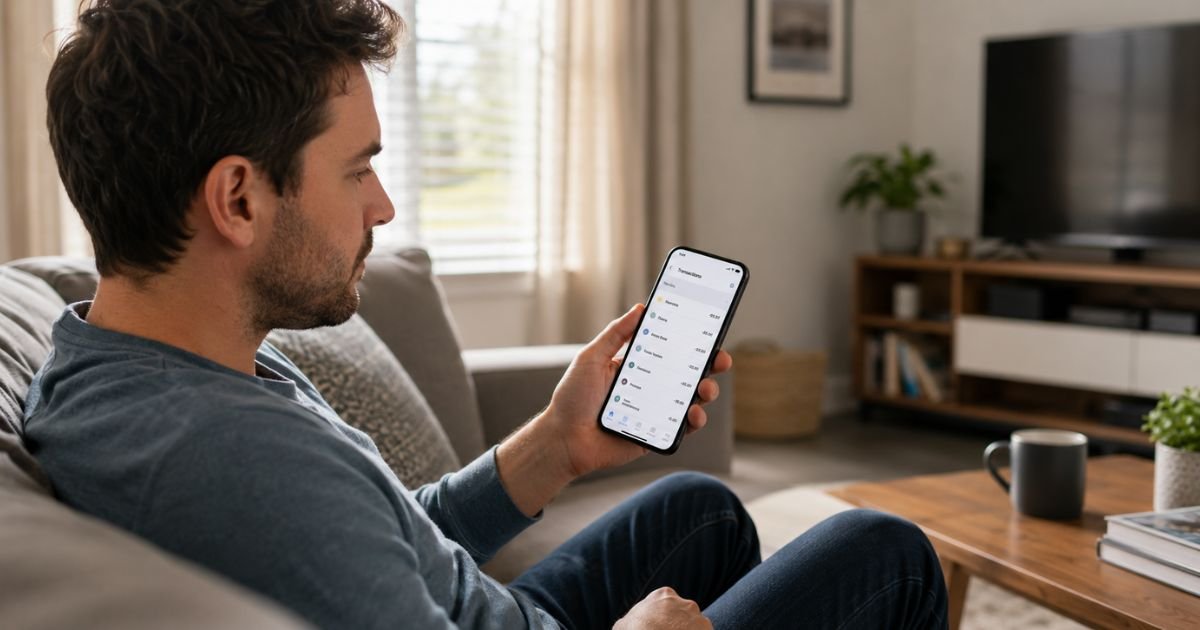
Seeing a Store charge on debit card statement can feel confusing if you don’t remember signing up for anything or making a recent purchase under that exact name.
This post explains what the charge usually means, why it shows up, how to check it, and what steps to take if it looks unfamiliar.
What Is the Store Charge?
A “Store” charge on a debit card is typically linked to a retail purchase made in person at a physical location. Payment networks limit the length of billing descriptors, so many merchants appear with shortened names that include the word “Store,” a store number, or a location code.
Common descriptor variants include forms like “STORE ####,” “POS STORE,” “CHECKCARD STORE,” or the merchant name followed by “STORE” and a number.
These often point to a specific branch of a larger chain or a local retailer using a generic terminal setting. Amounts vary widely because they reflect whatever you (or an authorized user) bought. No single fixed price applies.
Evidence for one specific national company that bills simply as “Store” is limited.
In most cases the descriptor is a truncated or location-based label for an everyday retail transaction rather than a subscription or unique service.
Why the Charge Appears on Your Debit Card
Several everyday situations can place a Store charge on your bank statement:
- You (or someone with access to your card) made an in-store purchase at a retailer whose terminal reports the transaction under a “Store” label or with a store number.
- A pending authorization or temporary hold posted first and later settled as the final amount.
- The bank’s system abbreviated the full merchant name because of character limits on the statement.
- Cash-back was requested at the register, creating a combined purchase-plus-cash transaction.
- A family member or authorized user shopped at a location that uses this style of descriptor.
These charges are usually one-time point-of-sale (POS) debits that pull funds directly from your checking account.
They are not typically recurring unless you enrolled in a store-specific payment plan or subscription that happens to use similar wording.
How to Verify the Charge
When the descriptor is generic, follow this short checklist to confirm what happened:
- Note the exact date, amount, and any numbers or city codes that appear next to “Store.”
- Open your bank’s mobile app or online banking and look for extra details such as a map location, merchant category, or expanded description. Many banks show more information than the printed statement.
- Search your email, text messages, or paper receipts for a matching purchase around that date and amount.
- If a store number is listed, search online for that number plus common retail chains to see if it matches a location you visited.
- Ask household members whether they used the card or a linked digital wallet at a store.
- Compare the timing with any recent trips, errands, or deliveries that might have used your debit card.
If the details line up with a purchase you recognize, the charge is almost always legitimate.
Is the Charge Legitimate?
In the large majority of cases a Store charge is legitimate. It usually reflects a normal retail purchase processed through a point-of-sale terminal.
The main risk appears when the amount, date, or location does not match anything you or an authorized user remember. Small test charges can sometimes signal card testing by someone who obtained your card details.
Large or repeated unfamiliar amounts deserve prompt attention. Because evidence for a single nationwide “Store” merchant is limited, treat any unmatched charge as something to investigate rather than automatically accept.
How to Cancel Store
Most Store charges are one-time purchases, so there is nothing ongoing to cancel.
If the charge is connected to a store credit account, gift-card reload, or any automatic payment you no longer want, contact the retailer directly using the information on a receipt or their official website.
Ask for written confirmation that future charges will stop. Keep that confirmation. If the retailer cannot or will not help, move to the dispute steps below.
What to Do If You Do Not Recognize the Charge
Act quickly if the Store charge does not match any purchase you know about:
- Contact your bank or credit union using the number on the back of your debit card or inside your online account. Report the transaction as unauthorized.
- Ask the bank to investigate under Regulation E, which covers electronic fund transfers on debit cards. Banks generally must provisionally credit your account within a set number of business days while they look into the claim.
- Request that the card be frozen or replaced so no further charges can post.
- Change online banking and email passwords linked to the account. Enable any available two-factor authentication.
- Review recent statements for other unfamiliar activity and note the dates.
- If the bank needs more information, supply the exact descriptor, amount, and date.
Keep records of every conversation, including dates, names, and reference numbers.
Tips to Avoid Unexpected Charges
- Check your debit card transactions weekly through your bank app instead of waiting for the monthly statement.
- Turn on real-time transaction alerts so you see every charge as it posts.
- Keep paper or digital receipts until the matching charge appears and clears.
- Limit the number of people who have physical access to your card or know your PIN.
- Prefer credit cards for larger retail purchases when possible; they often provide stronger dispute protections.
- Avoid sharing card details over the phone or on unfamiliar websites.
- Periodically review any store loyalty or payment apps linked to your debit card and remove unused ones.
FAQs About Store Charge on Debit Card
Why does the charge say only “Store” instead of the full retailer name?
Payment networks restrict the number of characters that can appear on a statement. Many retailers therefore use short labels that include “Store,” a store number, or a location code. Your bank app may show the fuller name.
Can a Store charge be a pending authorization?
Yes. Some merchants place a temporary hold that later becomes the final amount. Pending charges usually drop off or adjust within a few business days once the transaction settles.
Is it legal for a store to add a fee when I use my debit card?
Card network rules generally prohibit surcharges on debit card transactions. Some merchants may still attempt them or process the card as credit. If you notice an unexplained extra fee, ask the merchant and your bank about it.
How long do I have to dispute an unauthorized Store charge?
Under federal rules that protect debit card users, you typically have 60 days from the date the statement containing the error was sent to report the problem. Contacting the bank sooner improves the chance of a quick resolution.
Conclusion
A Store charge on debit card most often comes from a regular retail purchase whose billing descriptor was shortened or coded with a store number.
Matching the date, amount, and any location details to a receipt or memory usually clears up the confusion.
If nothing matches, report the transaction to your bank right away, request a new card if needed, and use the protections available under Regulation E.
Staying in the habit of reviewing your transactions regularly helps you catch unfamiliar activity early and keeps your account secure.
Disclaimer: This article is for informational purposes only and is not affiliated with any merchant, bank, or payment network. Policies and protections can vary by financial institution. Contact your bank or credit union directly about any suspicious transaction or account-specific questions.