How to Cancel Recurring Charges on Debit Card? [2026 Guide]

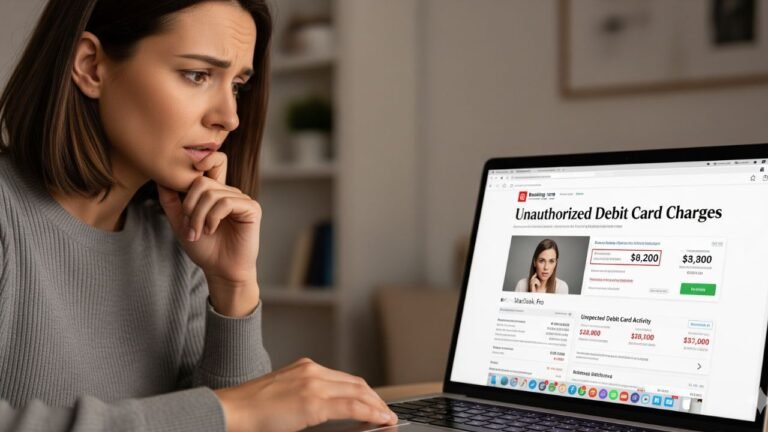
You open your banking app to check your balance and spot another charge from that subscription you meant to cancel weeks ago. It feels frustrating, especially when money is already tight.
Recurring charges on debit cards happen more often than most people realize, whether from forgotten trials, old gym memberships, or streaming services that auto-renew.
If you want to know how to cancel recurring charges on debit card without stress or confusion, you are in the right place.
This guide walks you through the exact steps that work for most people. You will learn how to contact the right parties, protect yourself with good records, and stop future payments for good.
Why Recurring Charges Happen on Debit Cards
Recurring charges occur when you originally gave a company permission to bill your debit card or linked bank account automatically.
This setup feels convenient at first for things like software, meal kits, or fitness apps. Over time, though, many people lose track of these payments or decide they no longer want the service.
These charges can pull directly from your checking account through card authorizations or electronic transfers. Either way, they keep happening until you actively revoke that permission. Understanding this helps you choose the smartest way to stop them.
How to Cancel Recurring Charges on Debit Card Step by Step
Follow these steps in order. Most people succeed by starting with the merchant and moving to their bank only if needed.
Review your recent statements
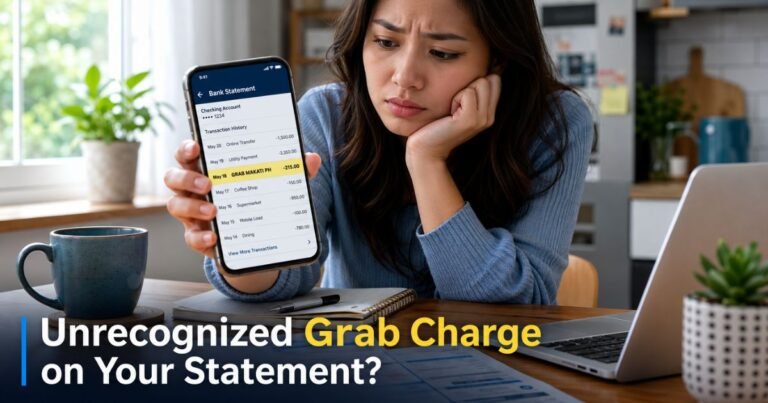
Open your bank app or online banking and look for the exact merchant name, amount, and date of the last charge. Note how often it happens and any reference numbers.
Contact the merchant first
Log into your account on their website or app and look for a cancel or manage subscription option. If you cannot find it, call or email their support team. Clearly state that you want to cancel the service and revoke authorization for future payments.
Get written confirmation
Ask for an email or letter that confirms the cancellation date and that no further charges will occur. Save this message along with the date and time you contacted them.
Notify your bank if the merchant does not respond
Call or message your bank’s customer service. Explain that you have revoked authorization with the merchant. Provide the merchant details and any confirmation you received. Many banks can block future attempts from that specific company.
Monitor your account closely
Check your transactions for the next billing cycle. If another charge appears, contact your bank again right away with your records.
Consider a formal stop payment if needed
For one specific upcoming charge, ask your bank about placing a stop payment order. This works best when you act at least three business days before the scheduled date.
Real-Life Example
Take a 35-year-old teacher in a busy household. She signed up for a language learning app during summer break but stopped using it after school started. The monthly charge kept hitting her debit card. She first tried canceling in the app with no luck.
Then she emailed support and saved the reply. When the next charge still appeared, she called her bank, shared the email, and they blocked the merchant. The charges stopped and she even received a refund for the most recent one.
Pro Tip: Keep a simple folder on your phone or computer with screenshots, emails, and notes from every call. Include dates, representative names, and confirmation numbers. This paper trail makes follow-up much easier and strengthens your position if you ever need to dispute a charge.
How Different Cancellation Methods Compare
Cancellation Methods at a Glance
| Method | Best Used When | What You Should Provide | Typical Result |
|---|---|---|---|
| Contact Merchant Directly | You still have account access | Account details and clear cancellation request | Stops billing quickly with written proof |
| Notify Your Bank | Merchant ignores requests | Proof of contact attempt and merchant info | Bank blocks future charges and may assist with refunds |
| Stop Payment Order | One specific upcoming payment | Exact amount, date, and merchant name | Halts that single payment (usually temporary) |
What If Charges Keep Appearing After Cancellation?
Sometimes a charge slips through even after you take the right steps. In that case, call your bank immediately and explain you already revoked authorization. Under consumer protection rules, banks often treat continued charges as errors and can reverse them.
You can also file a complaint with the Consumer Financial Protection Bureau if the bank does not help. Keep all your records handy. Most situations resolve once you stay persistent and document everything.
Common Mistake: Canceling your debit card and ordering a new one without first revoking authorization with the merchant. While this sometimes stops charges, many companies automatically update payment details through card networks. You end up with the same problem plus the hassle of updating every other payment tied to your card.
Smart Ways to Avoid Future Unwanted Recurring Charges
- Review your bank and card statements at least once a month.
- Set calendar reminders a few days before any trial periods end.
- Use a separate virtual card number for subscriptions when your bank offers that option.
- Keep a simple list of active subscriptions in your notes app.
- Turn on transaction alerts so you see every charge as it happens.
These small habits help you catch problems early and stay in control of your money.
FAQs About How to Cancel Recurring Charges on Debit Card
How long does it take to cancel recurring charges on my debit card after I contact my bank?
Most banks act within one to three business days once you revoke authorization and provide details. Some process it the same day during business hours. Keep checking your account and follow up if the next scheduled charge still appears.
Can I get a refund for past recurring charges on my debit card after I cancel?
It depends on timing and your bank’s policies. If you properly revoked authorization and charges continued, many banks will reverse recent payments as errors. Contact them with your cancellation proof and ask about dispute options for the specific transactions.
What happens if I cancel my debit card instead of handling the recurring charge properly?
Replacing your card may stop some recurring charges, but it often fails because merchants can update card details automatically. You also risk disrupting other automatic payments like bills or direct deposits. Handling the authorization directly with the merchant and bank works more reliably.
Conclusion
You now have a clear plan to cancel recurring charges on debit card and protect your finances going forward. Start with the merchant today on one charge that bothers you most.
Small actions like these add up to real peace of mind and extra room in your budget each month. You deserve to feel in control of where your money goes.
Disclaimer: This content is for informational and educational purposes only and does not constitute professional, financial, legal, or medical advice. The information provided may not apply to your specific situation. Always consult a qualified professional for personalized guidance.