Decoding Unknown Charges on Debit Card


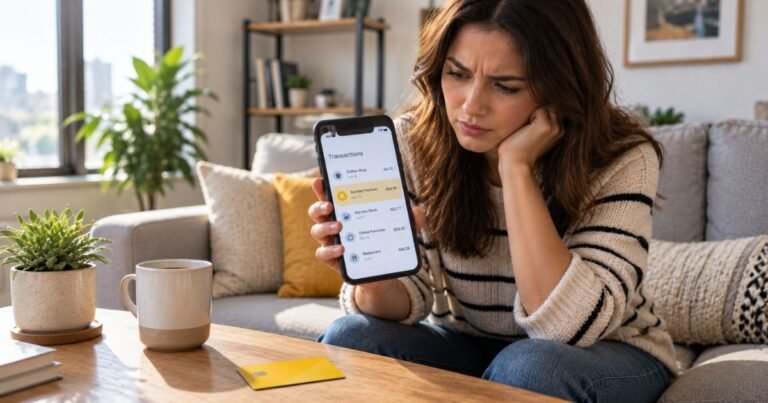
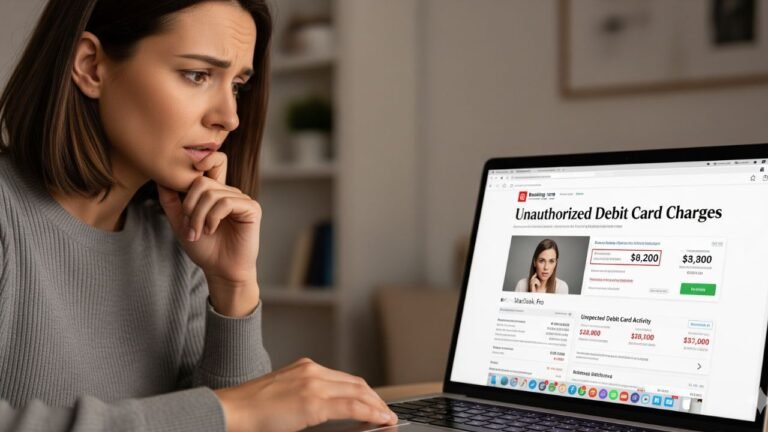
Have you ever glanced at your bank statement and spotted a charge that made you scratch your head? You’re not alone. Unknown charges on debit card accounts happen more often than you’d think, and they can range from simple mix-ups to serious fraud.
Spotting the Signs Early
Let’s face it, checking your account regularly isn’t the most exciting task. But imagine catching a small unauthorized debit before it snowballs. That’s why staying vigilant pays off.
Common Causes of Unknown Charges
Unknown charges on debit card statements often stem from everyday oversights or sneaky scams. For instance, you might forget about a subscription trial that auto-renews, or perhaps a merchant double-bills by mistake.
I once had a gym membership I thought I’d canceled pop up months later; it was an honest error, but it still stung.
On the darker side, debit card fraud plays a big role. Thieves skim your card info at gas pumps or hack online accounts. According to recent data, consumer fraud losses hit over $12.5 billion in 2024, up 25% from the year before.
And debit cards top the list for fraud troubles, with global losses projected to reach staggering amounts in the coming years.
How to Identify Suspicious Transactions
Start by reviewing your statements weekly. Look for small, odd amounts, like $1 or $5 tests that crooks use to check if a card works. If something feels off, ask yourself: Did I shop there? Was it online or in-person?
Rhetorical question: What if that tiny charge is just the tip of the iceberg?
Often, it is. Fraudsters start small to avoid detection. In 2025, victims of credit or debit card fraud saw a median loss of about $100 per incident. Catching it early limits the damage.
Immediate Actions When You Spot Unknown Charges
Don’t panic, but act fast. Time is crucial with unauthorized debit charges because your liability depends on how quickly you report them.
Contact Your Bank Right Away
Pick up the phone and call your bank’s fraud line. Most have 24/7 support for this. Tell them about the unknown charges on your debit card, and they’ll likely freeze your account to stop more debits.
Under federal rules like Regulation E, if you report within two business days of noticing a lost or stolen card, your max loss is $50. Wait longer, and it jumps to $500. For unauthorized transactions spotted on statements, you have 60 days to notify without full liability.
Document Everything
Jot down details: the charge amount, date, merchant name (even if it’s cryptic). Take screenshots of your app or online banking. This helps when you file a formal dispute.
I remember helping a friend who found weird charges from an overseas vendor. We listed everything out, and it made the bank’s investigation smoother. Banks often reverse charges temporarily while they check.
The Dispute Process: Step by Step
Disputing transactions isn’t as daunting as it seems. Most banks make it straightforward, especially online.
Filing a Claim with Your Bank
Log into your app or website and find the “dispute” option. Select the charge, explain why it’s unauthorized, and submit. For fraud, they might send a new card.
If it’s not fraud but a merchant error, try contacting the seller first. Give them 15 days to fix it, as some banks suggest. If that fails, escalate to your bank.
What Happens Next in the Investigation
Your bank reviews the claim, which can take 10-45 days. They’ll credit your account provisionally if it’s over $50. In my experience, clear-cut cases resolve quickly, but complex ones need patience.
Keep checking your account. If denied, you can appeal with more proof. Remember, debit card protections differ from credit cards; debits pull money instantly, so act swiftly to recover funds.
Preventing Future Unknown Charges on Debit Card
Now, let’s dive into prevention. Why wait for trouble when you can build defenses?
Strengthen Your Card Security
Use strong, unique PINs and change them often. Enable two-factor authentication for online banking. Avoid public Wi-Fi for transactions; it’s a hotspot for hackers.
Consider card controls in your app. Many let you set spending limits or block international buys. I set alerts for any charge over $20, and it’s caught a few glitches early.
Monitor and Use Tools Wisely
Sign up for transaction alerts via text or email. Apps like Mint or your bank’s tool track spending in real-time.
For online shopping, use virtual card numbers if available. They limit exposure. Also, check your credit report yearly at AnnualCreditReport.com for signs of identity theft.
Everyday Habits to Adopt
- Shred old statements.
- Never share card details via email.
- Use chip-enabled cards at stores.
These small steps add up. With 79% of organizations hit by payments fraud in 2024, personal vigilance is key.
When to Escalate Beyond Your Bank
Sometimes, bank disputes aren’t enough. If fraud seems widespread or involves identity theft, take it further.
Reporting to Authorities
File a report with the FTC at ftc.gov/complaint. It’s quick and helps track scams. For big losses, contact local police for a report, which strengthens your case.
If it’s a scam, the Consumer Financial Protection Bureau (CFPB) offers resources. Visit consumerfinance.gov for more on unauthorized charges. They oversee banks and can mediate.
Legal Protections You Should Know
Regulation E covers electronic fund transfers, including debit cards. It caps your liability and requires banks to investigate promptly. Knowing this empowers you during disputes.
In severe cases, like organized fraud rings, federal agencies get involved. But for most folks, bank and FTC steps suffice.
FAQs About Unknown Charges on Debit Card
Q. What if the unknown charge is from a subscription I forgot?
Contact the merchant to cancel and request a refund. If they refuse, dispute it with your bank as unauthorized. Most resolve this way without hassle.
Q. Can I get my money back if I wait too long to report?
Possibly, but your liability increases. Report within 60 days of the statement date for best protection under federal rules. Banks sometimes help beyond that, but don’t count on it.
Q. Are debit cards less safe than credit cards for fraud?
Yes, because debits deduct money immediately, tying up your cash during disputes. Credit cards offer better zero-liability policies. Use credit for big buys if possible.
Conclusion
Handling unknown charges on debit card starts with quick action and smart habits. Stay alert, and you’ll minimize risks. Remember, knowledge is your best shield against fraud.
Disclaimer: This post offers general advice based on common practices. It’s not legal or financial counsel. Consult your bank or a professional for personalized guidance.