Rapida LLC Charge on Debit Card [Decoded]


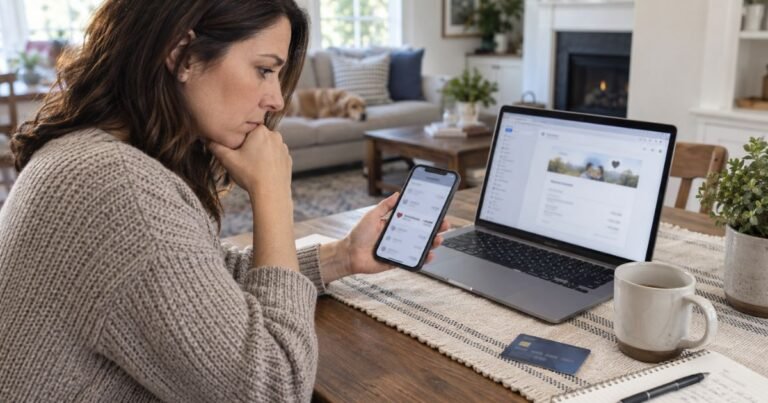
You open your bank app or paper statement and spot a charge labeled Rapida LLC, often with the numbers 646-7608481 and NY next to it. You do not remember buying anything from that name. That feeling of confusion is common.
This article explains what the Rapida LLC debit card charge typically is, why it may show up, how to check whether it belongs to you, and the practical steps to take if you still do not recognize it.
What Is the Rapida LLC Charge?
The Rapida LLC charge is a billing descriptor that appears on debit cards and credit cards. It most often shows as RAPIDA LLC 646-7608481 NY or RAPIDA LLC 646-7608481 NYDate.
Banks sometimes add prefixes such as POS PURCHASE, CHECKCARD, PENDING, or PRE-AUTH.
Public records show a limited liability company named Rapida LLC registered in New York. The entity was filed in August 2019. Its process address is listed as 387 Park Avenue South, 5th Floor, New York, NY 10016.
The process agent is listed as Salvatore Frank Dipietro. The company remains active in state filings as of 2025.
Beyond the registration details, reliable public information about the exact products or services this company provides is limited. No widely known official website, help center, or clear description of its consumer offerings appears in major directories.
Consumer reporting sites list the charge but do not identify a specific product, subscription, or free trial that reliably matches it.
The phone number 646-760-8481 that often appears with the descriptor is a New York area code number. Reverse lookups and public records do not clearly link it to a public-facing customer service line with published hours or email.
In short, the charge comes from a real New York-registered LLC, yet the precise reason it hit your account is often unclear without further checking on your end.
Why the Charge Appears on Your Debit Card
Several ordinary situations can place a Rapida LLC line on your statement:
- You or a household member completed an online purchase or trial that used this billing name.
- A one-time or recurring payment was processed through a merchant that uses this descriptor.
- The charge is still pending or was a pre-authorization that later posted.
- A family member used a shared card or stored payment method.
Consumer feedback sites show a mixed picture. Some people mark the charge as recognized. A larger number of reports label it unauthorized. One user stated they viewed the charge as fraudulent, disputed it with their bank, and canceled the card.
Because public details about the merchant’s services remain sparse, the safest approach is to treat an unrecognized entry as something that needs verification rather than assuming it is either fully legitimate or fully fraudulent.
How to Verify the Rapida LLC Charge
Start with the information already on your statement. Note the exact amount, the full date, the last four digits of the card used, and any additional codes.
Next, search your email (including spam and promotions folders) for the words “Rapida,” the phone number 646-760-8481, or the exact amount of the charge. Look for order confirmations, trial start notices, or membership emails.
Check any shared family accounts, digital wallets, or stored payment methods. Ask household members if they made a recent purchase.
Review your browser history or app purchase records for the same date range. If you recently signed up for a free trial or software service, the conversion to a paid charge can sometimes appear under an unfamiliar LLC name.
If nothing turns up, call the phone number printed on the statement. Be prepared with your transaction details. Do not share full card numbers or passwords. Keep a written record of the date, time, and what the person on the line tells you.
Is the Charge Legitimate?
A New York LLC with an active registration exists under this name. That fact alone does not prove every individual charge is authorized.
Legitimate scenarios include a purchase or service you authorized (or a family member authorized) that simply used this billing descriptor.
Suspicious scenarios include a charge you never approved, a sudden recurring amount you cannot explain, or multiple similar charges in a short period.
Consumer reporting platforms show more “unauthorized” flags than “recognized” ones for this descriptor. That pattern suggests caution is warranted when the charge does not match any purchase you can recall.
Never assume a charge is safe simply because a company is registered. Equally, do not assume every unfamiliar name equals fraud. Verification is the middle path.
What to Do If You Do Not Recognize the Charge
Follow these steps in order:
- Double-check the amount, date, and card last four digits against your own records and any shared accounts.
- Contact the phone number shown on the statement and ask for details of the transaction. Request a refund if the charge is not yours.
- If you cannot reach anyone or the answer is unsatisfactory, log into your bank or credit-card account and freeze or lock the card temporarily.
- Call your bank’s fraud or dispute line. Explain that you do not recognize the Rapida LLC charge. Provide the exact transaction details. Ask about provisional credit and the timeline for investigation.
- If the bank advises it, request a replacement card with a new number. Update any automatic payments that used the old card.
- Monitor your account for the next several weeks for additional related charges.
Under federal rules that protect many debit-card users, timely reporting of unauthorized electronic transfers can limit your liability.
Exact rights and deadlines depend on how quickly you notify the bank and the type of account. Your bank can explain the process that applies to you.
How to Dispute the Charge With Your Bank
Most banks let you start a dispute through the mobile app, online banking portal, or by phone. Have the transaction date, amount, merchant name, and last four digits of the card ready.
State clearly that you do not recognize the charge and that you did not authorize it. Ask the representative to open a formal dispute or claim. Note the claim or case number they give you.
Keep copies of any emails or notes from the merchant. Banks typically investigate and may issue temporary credit while they review. The final outcome depends on the evidence and the bank’s findings.
Do not wait. Many institutions have time limits for reporting unauthorized transactions.
Tips to Avoid Unexpected Charges
Review every statement or app notification within a few days of receiving it.
Turn on real-time transaction alerts for any amount above a small threshold.
Use unique, strong passwords for shopping sites and enable two-factor authentication where available.
Avoid saving card details on sites you use only once.
If a free trial is involved, set a calendar reminder a few days before the trial ends so you can cancel if you choose.
When in doubt about any future charge that looks similar, contact the merchant first and your bank second.
FAQs About Rapida LLC Charge on Debit Card
Why does the charge sometimes say “pending” or show a different amount at first?
Banks often place a temporary authorization hold. The final posted amount can differ slightly once the merchant settles the transaction. Pending charges usually clear or post within a few business days.
Can a family member’s purchase appear under this name?
Yes. If someone in your household used a shared card, digital wallet, or stored payment method, the charge can appear on your statement under the merchant’s billing descriptor.
Is there a way to stop future Rapida LLC charges?
If the charge is recurring and you never wanted the service, ask the merchant (via the number on the statement) to cancel any subscription. Then contact your bank to block future charges from that merchant descriptor if the bank offers that option.
What if the bank says the charge is valid but I still do not recognize it?
Ask the bank for the merchant’s full name and any additional details they received. Continue monitoring the account. You may still be able to pursue a written dispute or escalate within the bank’s process.
Conclusion
A Rapida LLC charge on debit card most often reflects a transaction processed by a New York-registered limited liability company that uses the descriptor RAPIDA LLC together with the phone number 646-760-8481. Public information about the exact service is limited, so the charge can look unfamiliar even when it is legitimate.
If you can match the amount and date to a purchase or trial you authorized, you are probably fine. If you cannot, verify the details, contact the number on the statement, and be ready to dispute the charge with your bank.
Acting quickly protects your account and gives you the clearest path forward.
Disclaimer: This information is for informational purposes only. ChargeOnDebitCard.com is not affiliated with Rapida LLC or any bank. Readers should contact their financial institution about suspicious transactions or account-specific concerns.