What Is a Foreign Transaction Fee on a Debit Card?

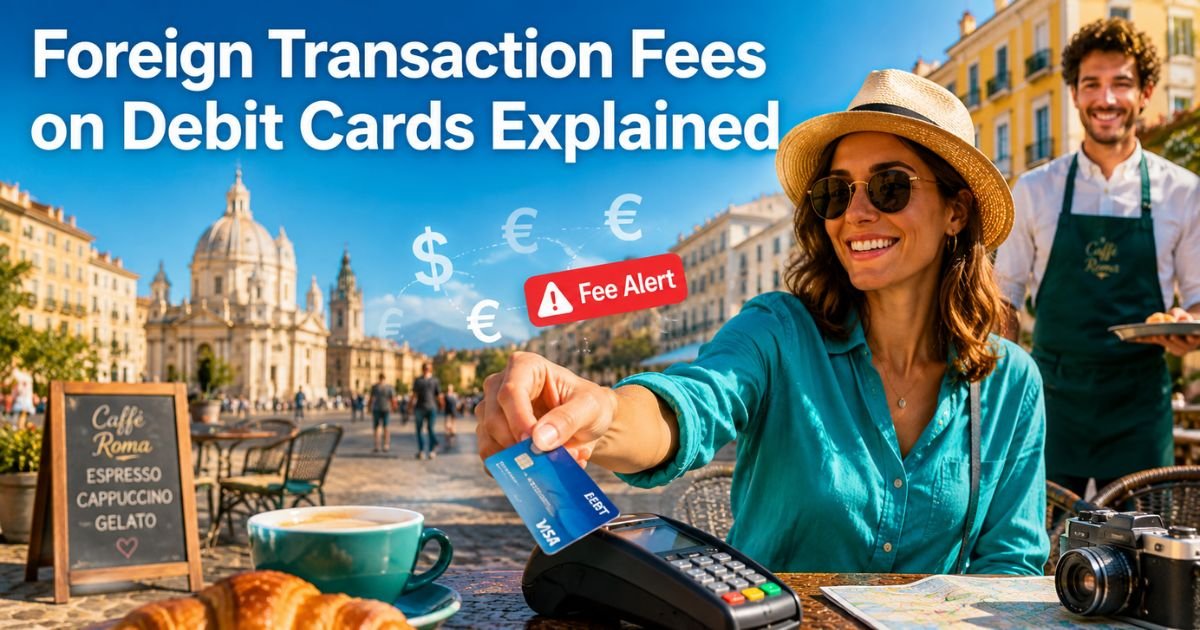
Picture this. You’re on a dream vacation in Rome, enjoying fresh pasta and gelato. You happily swipe your debit card at the café counter, no worries at all. Then you get home, open your bank app, and there it is, an extra charge you never expected.
Sound familiar? That sneaky extra cost is often a foreign transaction fee on a debit card. It pops up whenever you pay in another country or buy something from a foreign merchant, even online. Banks add it to cover the hassle of converting currencies.
Now, you’ll learn exactly what a foreign transaction fee on a debit card is, how it works, why it matters, and most importantly, how to dodge it completely.
What Exactly Is a Foreign Transaction Fee on a Debit Card?
A foreign transaction fee on a debit card is a small percentage your bank or card issuer tacks on when you make a purchase outside the United States. It usually applies any time the transaction happens in a different currency or gets processed through a foreign bank.
Think of it like a convenience fee for currency conversion. Your bank handles turning euros into dollars or yen into dollars behind the scenes. Instead of eating that cost, they pass a slice of it to you.
These fees show up on your statement as a separate line item, often labeled “foreign transaction fee,” “international fee,” or “currency conversion fee.” They can hit both in-person swipes abroad and online buys from overseas sellers. Even if you never leave your couch, ordering from a UK website can trigger one.
Why Do Banks Charge This Fee?
Banks don’t add fees just for fun. Processing international payments involves extra steps. The card networks like Visa or Mastercard convert the currency, and your bank pays them for that service. Plus, there’s risk and overhead involved.
By charging you 1 to 3 percent, the bank covers those costs and makes a little profit. It’s been standard practice for years, though more banks now offer no-fee options to stay competitive.
How Much Does a Foreign Transaction Fee on a Debit Card Actually Cost?
Most banks charge between 1 percent and 3 percent of the total purchase amount. That includes taxes, tips, and shipping if it’s an online order.
Here’s a quick example. Spend $200 on souvenirs in Mexico? A 3 percent fee adds $6 to your bill. It might not sound like much until you add up multiple purchases on a two-week trip. Suddenly you’re talking real money.
| Bank or Debit Card | Foreign Transaction Fee | Notes on ATM Withdrawals |
|---|---|---|
| Bank of America Debit | Up to 3% | Plus possible flat ATM fee |
| Chase Debit | Up to 3% | Flat fees may apply abroad |
| Capital One 360 Debit | 0% | No foreign fees on purchases or ATMs |
| Charles Schwab Investor | 0% | Reimburses all ATM fees worldwide |
| SoFi Debit | 0% | Great for frequent travelers |
This table shows why shopping around pays off. Some debit cards now waive the fee entirely.
Debit Cards vs. Credit Cards: What’s the Difference?
Debit cards pull money straight from your checking account, so fees feel more immediate. Credit cards give you a buffer and often come with better purchase protection.
Both can carry foreign transaction fees, but debit cards sometimes add extra ATM surcharges on top. The good news? You can find excellent no-fee options in both categories.
Pro Tip: Always choose to pay in the local currency when the machine or cashier asks. Declining dynamic currency conversion (DCC) usually saves you money because your own bank gives you a better exchange rate than the merchant’s.
Real-Life Example
Take a 32-year-old teacher from Chicago. Last summer she took her first trip to Paris. Excited and a little jet-lagged, she used her everyday debit card for everything from croissants to museum tickets.
When she checked her account back home, she spotted $47 in foreign transaction fees she never saw coming. “I thought my bank would just handle it,” she said.
She learned the hard way that a quick call before traveling could have saved her that money. Now she travels with a no-fee debit card and smiles every time she swipes.
Common Mistake: Assuming your debit card works the same abroad as it does at home. Many people forget to notify their bank of travel plans, which can lead to frozen cards or surprise fees.
How to Avoid Foreign Transaction Fees on Your Debit Card
You don’t have to pay these fees. Here are practical ways to skip them completely.
- Switch to a no-fee debit card. Banks like Capital One, Charles Schwab, and SoFi offer debit cards with zero foreign transaction fees.
- Call your current bank. Ask if they have a premium checking account that waives the fee.
- Use the right payment method. For bigger purchases, consider a no-fee credit card instead.
- Withdraw larger amounts less often. If you need cash, take out what you need in one go to minimize ATM visits.
- Notify your bank before you travel. This prevents fraud alerts and keeps your card working smoothly.
Easy Steps to Check Your Own Debit Card
- Log into your online banking.
- Find the card agreement or fee schedule.
- Search for “foreign transaction” or “international fee.”
- Still unsure? Call the number on the back of your card and ask directly.
More Smart Tips for International Spending
Pair your debit card with a travel-friendly app that shows real-time exchange rates. Some banks now send push notifications when a foreign fee hits. And remember, paying in cash works great for small purchases in countries where cards aren’t widely accepted.
FAQs About Foreign Transaction Fee on a Debit Card
Do all debit cards charge a foreign transaction fee?
No, not at all. While many traditional bank debit cards add 1-3 percent, several modern options from Capital One, Charles Schwab, and online banks charge nothing. Always read the fine print or call your bank before you travel.
Can I get a foreign transaction fee on a debit card without leaving the country?
Yes. If you buy something online from a foreign merchant, like a UK clothing site or Japanese gadget store, your bank may still treat it as an international transaction. The fee applies based on where the merchant is located, not where you are.
How do I know if my debit card has no foreign transaction fees?
Check your account terms online or call customer service. Look for clear language that says “no foreign transaction fees” or “0% international fee.” Many no-fee cards advertise this perk right on their website.
Conclusion
Understanding a foreign transaction fee on a debit card takes the mystery out of international spending. You now know it’s usually a 1-3 percent add-on for currency conversion, how to spot it on your statement, and most importantly, how to avoid it.
By choosing the right debit card and paying in local currency, you can enjoy your trips or online shopping without hidden costs sneaking up on you. Sarah did it, and so can you.
Grab your phone right now and check your current debit card’s fees. A five-minute call or quick switch could save you hundreds on your next adventure. Happy travels, and here’s to fee-free swipes from now on!
Disclaimer: This content is for informational and educational purposes only and does not constitute professional, financial, legal, or medical advice. The information provided may not apply to your specific situation. Always consult a qualified professional for personalized guidance.