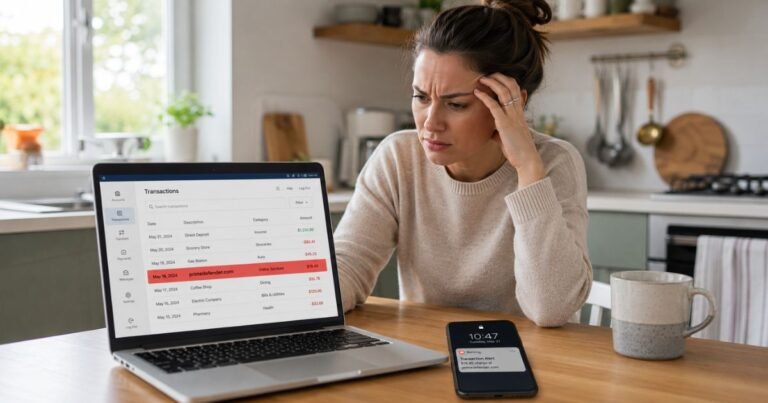


Ever stood at the checkout line, card in hand, wondering which one to pull out? You hesitate because the choice feels bigger than just paying for groceries.
Understanding what is the difference between debit and credit card can change how you shop, save and even sleep better at night.
Debit Card vs Credit Card: Understanding the Key Differences
Let’s get straight to it. Debit cards and credit cards look almost identical, those sleek pieces of plastic you carry everywhere.
Yet they work in completely opposite ways. One spends money you already earned. The other lets you borrow and pay back later.
That single difference touches every part of your daily money decisions.
Ready to see exactly how they compare so you can choose smarter?
What Exactly Is a Debit Card?
A debit card connects directly to your checking account at the bank. Swipe it, tap it, or shop online, and the money leaves your account right away.
No loans, no bills next month. It’s simply your cash in plastic form.
Debit cards make ATM withdrawals simple too. You grab your own money without extra hassle.
Most banks hand them out free when you open a checking account. They work perfectly with Apple Pay or Google Pay for quick phone taps at Starbucks or the gas station.
You never get a surprise bill in the mail. Just open your banking app and see every purchase listed immediately.
What Is a Credit Card and How Does It Work?
A credit card, on the other hand, gives you a spending limit set by the issuer. You buy now, and the bank pays the merchant for you.
Then you get one bill at the end of the month. Pay the full amount by the due date, and interest stays at zero.
Carry even a small balance, and those rates (often 15-25%) start adding up fast.
Credit cards usually include a grace period of 21 to 25 days or more. No interest during that time if you pay in full.
They become lifesavers for bigger purchases or when cash is tight before payday.
Many give cash back, airline miles, or points you can turn into gift cards or hotel stays.
Key Difference Between Debit and Credit Card at a Glance
Seeing the facts side by side makes everything click. Here’s a clear comparison you can screenshot for later.
| Feature | Debit Card | Credit Card |
|---|---|---|
| Source of Funds | Your own checking account balance | Money borrowed from the issuer |
| Payment Timing | Instant deduction | Monthly bill with grace period |
| Interest Charges | None | High rates if balance carried |
| Spending Limit | Whatever is in your account | Pre-approved credit limit |
| Rewards and Perks | Usually none or very basic | Cash back, points, travel rewards |
| Credit Score Impact | No direct effect | Builds score with responsible use |
| Fraud Protection | Good but money leaves first | Excellent, you dispute before paying |
This quick table shows why so many people search debit card vs credit card every month.
It really comes down to control versus flexibility for your unique situation.
Pros and Cons of Debit Cards
Debit cards win when you want total control. You can only spend money sitting in your account, so overspending becomes nearly impossible.
No surprise debt sneaks up on you. That alone brings huge peace of mind for families on tight budgets.
Here are the top advantages for you:
- Zero interest charges ever on purchases
- Perfect for sticking to a strict monthly budget
- Free cash access at your bank’s ATMs
- Super easy to get with any checking account
Still, they come with real drawbacks. If someone steals your card details, the money is gone from your account until the bank investigates.
Getting it back can take days or weeks. Plus, you miss out on almost all rewards programs that make everyday spending more fun.
Overdraft fees can hit hard if you misjudge your balance. And debit cards do nothing to help build or repair your credit score.
Advantages and Drawbacks of Credit Cards
Credit cards give you breathing room that debit cards simply cannot. Facing an unexpected car repair? You can handle it today and spread the payment over time if needed.
They smooth out cash-flow bumps between paychecks.
Standout benefits that help you every day:
- Earn meaningful cash back or points on groceries, gas, and dining
- Strongest fraud protection in the industry
- Responsible use boosts your FICO score over time
- Essential for renting cars or booking hotels online
Yet the downsides are serious if you lose focus. The temptation to buy more than you can afford sits right there in your wallet.
Interest piles up quickly on carried balances. Annual fees on premium cards eat into your rewards.
One late payment can ding your credit score and raise rates on all your cards.
When Should You Use a Debit Card vs Credit Card?
Picture yourself at Target grabbing school supplies for the kids.
A debit card keeps it simple and immediate. No extra bill to track later.
Or you’re filling up at the pump and want to know exactly how much leaves your account today. Debit wins again.
Switch to credit for smarter moments. Booking flights through your favorite airline portal? Rack up those miles.
Many hotels and rental companies require a credit card for the security hold.
Planning a big purchase you know you can pay off next month? Credit lets you earn rewards while your cash stays safe in the bank earning a little interest.
Ask yourself this simple question every time: “Do I have the cash right now, or will I next month?”
Your honest answer usually points to the right card. For coffee runs, groceries, and small daily spends, debit keeps life calm.
For travel, online shopping, or anything with big rewards potential, credit makes more sense.
Most smart users keep both cards handy. Debit for must-pay bills. Credit for everything else where perks apply.
Tips for Choosing Between Debit and Credit Card
Picking the perfect card starts with looking honestly at your own habits.
Review your last three months of spending first.
Follow these easy steps today:
- List your regular monthly expenses
- Decide if you can always pay credit bills in full
- Compare no-fee options from banks like Chase or Capital One
- Read the rewards fine print carefully
- Think about your long-term credit goals
Travel a lot? Grab a credit card with built-in trip insurance.
Living paycheck to paycheck? Debit cards prevent accidental debt spirals.
Many people thrive using both. Debit for safety. Credit for opportunities and rewards.
Security and Smart Usage for Both Cards
Security should always be your top priority no matter which card you pick. Turn on transaction alerts immediately.
That quick text or app notification catches problems while they’re still small.
Set custom spending limits inside your banking app. For credit cards, keep your balance under 30% of the limit to protect your score.
Never share your PIN or security code. Use virtual card numbers for every online purchase.
Check your statements at least once a week instead of waiting for the monthly email. Spot anything weird and report it fast.
For debit, consider linking it to a separate low-balance account just for daily spending. Keep your main savings protected and growing.
These small habits turn any card from a potential headache into a reliable tool that works for you.
Managing Spending Habits with Debit or Credit
The card you reach for most often actually shapes your entire money mindset. Debit cards force healthy discipline.
You watch the balance drop in real time and pause before adding that extra item to your Amazon cart.
Credit cards reward careful planning. Pay on time every month and watch your credit score climb steadily.
The smartest approach? Use both cards strategically. Debit handles your fixed bills like rent and utilities.
Credit tackles everything that earns rewards or needs that extra protection.
Track all spending in one simple app like Mint or your bank’s tool. You will quickly see patterns that help you decide which card belongs in which situation.
Over the next few months, you will naturally figure out what works best for your lifestyle. Maybe credit shines right after payday when the budget feels full.
Debit keeps things steady during the last week of the month.
This self-awareness turns into real financial confidence over time.
FAQs: What Is the Difference Between Debit and Credit Card
Q. How Does the Difference Between Debit and Credit Card Affect My Budget?
The core difference hits your monthly budget hard. Debit cards limit you to actual money in the bank, making it almost impossible to overspend without noticing. Credit cards offer flexibility but require iron discipline so interest and fees don’t sneak up and wreck your plans. Pick whichever matches how you like to manage cash flow.
Q. Can I Use a Credit Card to Build Credit While a Debit Card Does Nothing?
Absolutely. On-time credit card payments get reported to the major bureaus and help raise your FICO score over time. Debit cards have zero effect on your credit because no borrowing happens. If building credit is important to you right now, start with a low-limit credit card you pay off completely every single month.
Q. What Should I Do If My Debit or Credit Card Gets Lost or Stolen?
Call your bank or issuer the second you notice it missing. Use their 24/7 hotline or the mobile app to freeze the card instantly. Credit cards usually give you zero liability for unauthorized charges if you report quickly. Debit cards offer strong protection too under federal rules, but act even faster since the money comes from your account. Request a new card right away and monitor your accounts closely for the next week.
Conclusion
Choosing between a debit card and credit card ultimately comes down to your personal lifestyle and money goals. One delivers rock-solid control and zero debt worries. The other opens doors to rewards and flexibility when you use it responsibly.
Keep both in your wallet if you can. Review your spending every couple of months and adjust as life changes.
You have the power to make these cards work for you instead of the other way around.
Disclaimer: This article shares general information for educational purposes only. It is not personalized financial advice. Please speak with a certified financial advisor or your own bank for guidance that fits your specific situation.