What Is the ZIP Code of a Debit Card? [Described]

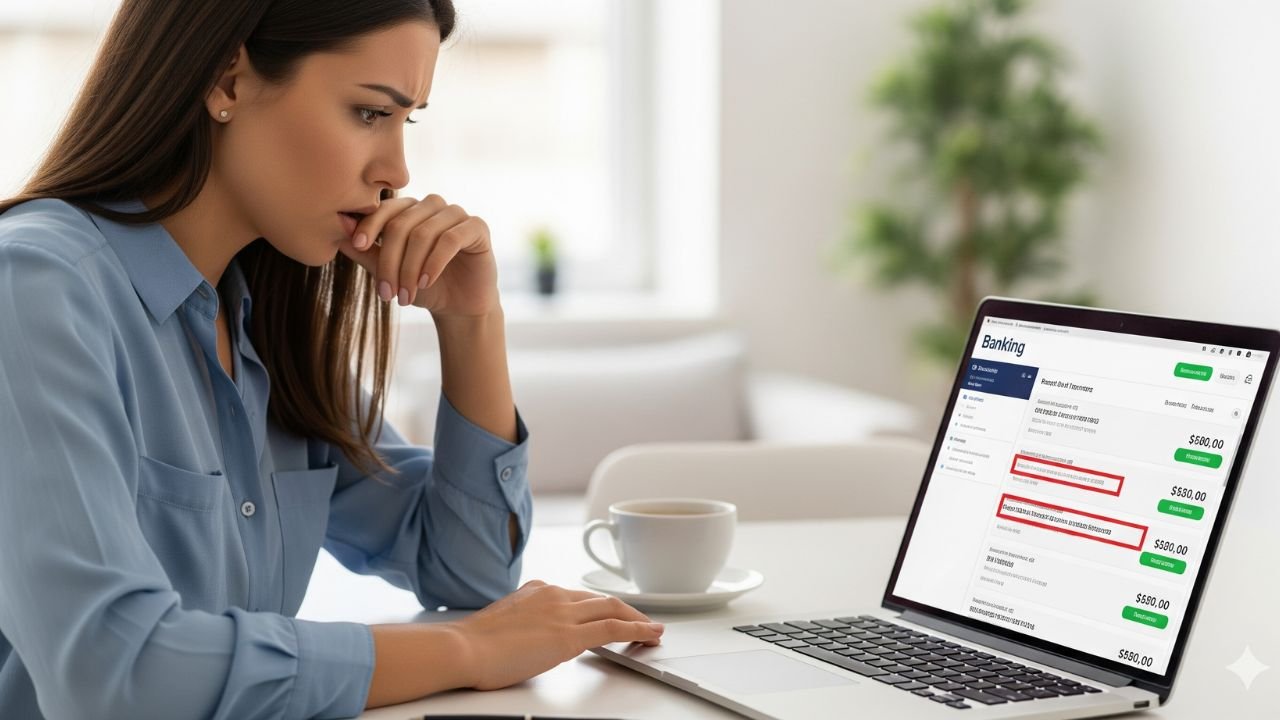
Have you ever been at the checkout page online, ready to buy that new gadget, only to get stuck on the “ZIP code” field for your debit card? It’s frustrating, right? You’re staring at your card, flipping it over, but there’s no ZIP code in sight.
Don’t worry, you’re not alone in this confusion. Today, we’re diving into what the ZIP code of a debit card really means, why it matters, and how to handle it without the hassle.
Decoding the Debit Card ZIP Code
Why Merchants Ask for It
Picture this: You’re pumping gas late at night, and the machine prompts for your ZIP code. Why? It’s all about security.
Merchants use this to verify you’re the real card owner through something called the Address Verification System, or AVS.
This system checks if the ZIP code you enter matches the one on file with your bank.
Without a match, the transaction might get declined. It’s a quick way to spot fraud.
For example, if someone steals your card details, they might not know your billing ZIP code. This extra layer helps protect your money. Pretty smart, huh?
Banks and card issuers like Visa or Mastercard push for this. It reduces chargebacks and keeps everyone safer.
Next time it happens, remember, it’s not just a random ask, it’s guarding your wallet.
Where Exactly Is This ZIP Code?
Here’s the thing: You won’t find the ZIP code printed on your debit card. That’s on purpose, for security reasons. Instead, it’s the five-digit code from your billing address.
Think of the address where your bank mails your statements or where you registered the card.
To locate it, start with your latest bank statement. Look at the top or the mailing label; the ZIP code sits right there. If you bank online, log in to your account.
Head to the profile or personal info section, and voila, your billing address appears, complete with the ZIP code.
No statement handy? Give your bank’s customer service a call. The number’s on the back of your card. They’ll confirm it after verifying your identity. Easy peasy.
Common Ways to Retrieve Your Debit Card ZIP Code
Let’s make this practical. I’ve been there myself, fumbling through apps during a rushed online order. Here’s a quick list of steps:
- Check your bank app or website: Most banks like Chase or Wells Fargo have a section for account details. Navigate to “Account Information” or “Profile.”
- Review a recent statement: Whether paper or digital, the address is front and center.
- Contact support: Use the toll-free number. Be ready with your card number and some ID questions.
- Visit a branch: If you’re old-school, pop into your local bank. They can print it out for you.
These methods work for most people. If you’re using a prepaid debit card, it might be the ZIP code you entered during activation.
Differences Between Debit and Credit Card ZIP Codes
You might wonder, is there a big difference between debit and credit cards here? Not really. Both use the billing ZIP code for verification.
But debit cards pull directly from your checking account, so accuracy is crucial to avoid overdrafts.
Credit cards often have more flexibility, like multiple authorized users with different addresses. Still, the primary ZIP code ties back to the main account holder.
For business cards, it could be the office ZIP instead of home.
In my experience, mixing them up leads to declined purchases. Always double-check which card you’re using.
The Role of ZIP Codes in Everyday Transactions
Online Shopping and E-Commerce
Online shopping exploded in recent years, and with it, the need for ZIP code verification. Sites like Amazon or eBay ask for it to confirm your identity. It’s part of the AVS process, which flags mismatches.
Why does this matter? Fraud costs billions annually. By entering the correct ZIP code, you’re helping prevent unauthorized use. Plus, it speeds up approvals for legit buys.
If you’re shopping internationally, things get tricky. Some foreign sites might not require it, but U.S.-based ones usually do. Keep your details updated to avoid hiccups.
At the Gas Pump and In-Store Purchases
Ever noticed gas stations love asking for ZIP codes? It’s because pumps are high-risk for skimmers. Entering the code adds security without needing a PIN for debit.
In stores, it’s less common, but self-checkouts might prompt it. It’s quick and keeps things moving. I once forgot mine during a road trip; had to call the bank from the pump.
Lesson learned: Memorize it!
What Happens If You Enter the Wrong ZIP Code?
Mistakes happen. If you punch in the wrong one, the transaction often fails. No big deal, just try again. But repeated errors could lock your card temporarily.
Banks monitor this for suspicious activity. If it looks off, they might text or call you. Better safe than sorry.
To fix it, update your address with the bank. Moves or typos can cause issues. Pro tip: After relocating, notify your bank first thing.
Security Tips for Your Debit Card ZIP Code
Protecting Your Information
Your ZIP code isn’t super sensitive alone, but combined with card details, it’s gold for fraudsters. Never share it over unsecured channels.
Use secure websites (look for HTTPS) when shopping. Avoid public Wi-Fi for transactions. And enable two-factor authentication on your bank app.
I always review statements monthly. Spotting odd charges early saves headaches. Consider alerts for every transaction too.
Dealing with Lost or Stolen Cards
If your card goes missing, report it immediately. The ZIP code won’t help thieves much without the card, but freezing the account protects you.
Most banks offer zero-liability for fraud. Act fast, and you’re covered. Replace the card, and your ZIP stays the same unless you change addresses.
Advanced Security Features
Modern banks offer virtual cards for online buys. These generate temporary numbers, but the ZIP code remains yours.
Apps like Apple Pay or Google Wallet skip ZIP prompts altogether, using biometrics. It’s the future of secure payments.
Updating Your Debit Card ZIP Code After a Move
Life changes, and so do addresses. When you move, update your bank right away. Log in online or call them.
Why bother? Outdated info leads to declined cards and delayed statements. Plus, it affects credit reports if bills go astray.
For international moves, it gets complex. Some banks require a U.S. address. Check policies or switch to a global-friendly bank.
Myths and Misconceptions About Debit Card ZIP Codes
People think the ZIP is on the card itself. Nope! It’s not there to prevent easy fraud.
Another myth: All cards share one ZIP. Each ties to its own billing address.
And no, you can’t just use any ZIP. It must match the bank’s records.
Clearing these up saves time and stress.
International Perspectives on Card ZIP Codes
In the U.S., ZIP codes are five digits, but abroad, postal codes vary. For U.S. debit cards, it’s always the American format.
Traveling? Some foreign ATMs don’t ask for it, but online U.S. sites do. Keep it handy.
Global cards like those from Wise use the registered address’s code.
How ZIP Codes Evolved in Banking
ZIP codes started in 1963 for mail efficiency. Banks adopted them for verification in the ’80s with rising card use.
Today, they’re integral to AVS, reducing fraud by 80% in some cases. Technology marches on, but this simple check endures.
Comparing ZIP Code Requirements Across Banks
| Bank | How to Find ZIP Code | Update Method |
|---|---|---|
| Chase | Online account or statement | App or call customer service |
| Wells Fargo | Profile section in app | Branch visit or online |
| Bank of America | Billing address in portal | Phone or website |
This table shows similarities. Most make it straightforward.
For more details, visit authoritative sites like the Federal Trade Commission for fraud tips or Chase’s credit education page.
FAQs About What Is the ZIP Code of a Debit Card
Now, let’s address some common questions.
Q. What If I Forget My Debit Card ZIP Code?
No panic needed. Just check your bank statement or online profile. If stuck, call your bank; they’ll guide you after verification. It’s quicker than you think.
Q. Is the ZIP Code the Same for All My Cards?
Not necessarily. If cards are from different banks or have separate billing addresses, ZIPs might differ. Always confirm per card to avoid mix-ups.
Q. Can I Use Any ZIP Code for My Debit Card?
Absolutely not. It must match your bank’s records, or transactions fail. Using a random one could flag your account for fraud.
Conclusion
Understanding the ZIP code of a debit card boils down to knowing it’s your billing address’s code, not a card feature. Stay vigilant, keep details updated, and shop securely.
Disclaimer: This article provides general information and is not financial advice. Consult your bank for personalized guidance.