Decoding Adam Mail Charge on Debit Card


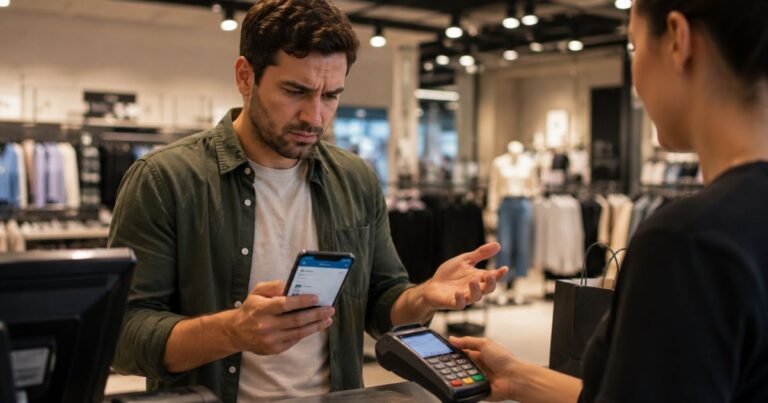
Imagine this. You grab your morning coffee, pull up your banking app, and spot a weird entry: “Adam Mail charge on debit card.” Your heart skips a beat.
What is this? Did someone hack your account?
Don’t worry, we’ll break it down step by step, so you can breathe easy and handle it.
Why That Strange Charge Caught Your Eye
Mysterious charges pop up more often than you’d think. Maybe you shopped online late at night, or a family member used your card. The adam mail charge on debit card often sparks confusion because it’s discreet on purpose.
It’s tied to a popular retailer, but the name keeps things private. We’ll explore what it means, why it shows up that way, and how to deal with it if it’s not yours.
What Exactly Is the Adam Mail Charge?
The adam mail charge is basically a billing descriptor. It appears on your debit or credit card statement for purchases from Adam & Eve, a well-known company selling adult products.
They use this label to protect customer privacy, so it doesn’t scream the full company name. Think about it: who wants their shopping habits broadcasted on a bank statement?
Adam & Eve has been around for decades, serving millions with online and mail-order options. If you or someone with access to your card bought lingerie, toys, or wellness items, this could be it.
The charge might include extras like a phone number, such as 800-794-3316, or a location like Hillsborough, NC. That’s their headquarters area.
Sometimes, it shows as “Adam Mail – *” with asterisks or codes. These are just internal trackers, not red flags.
How Does the Adam Mail Charge Appear on Your Statement?
Debit card charges can look different based on your bank. For the adam mail charge on debit card, it often starts with prefixes like “CHKCARD” for check card transactions or “POS” for point-of-sale. If it’s a pre-authorization, you might see “PRE-AUTH.”
Here’s a quick breakdown in a simple table:
| Prefix | What It Means | Example |
|---|---|---|
| CHKCARD | Debit card use | CHKCARD Adam Mail |
| POS | In-store or online purchase | POS Debit Adam Mail |
| PRE-AUTH | Temporary hold | PRE-AUTH Adam Mail Charge |
This setup helps banks categorize things. If you paid via PayPal or Amazon, it might show as “Adameve.com” instead. But for straight debit card pulls, “Adam Mail” is the go-to disguise.
Ever wondered why companies do this? It’s all about discretion. Adult products are personal, and this keeps prying eyes away.
Is the Adam Mail Charge Legitimate or a Scam?
Most times, yes, it’s legit if you recognize the purchase. Adam & Eve is a real business, not some fly-by-night scam. They’ve got a solid reputation for quality and customer service.
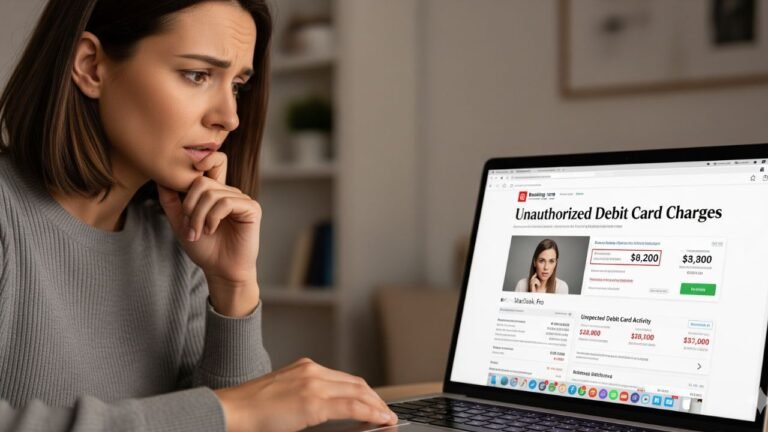
But here’s where it gets tricky. What if you didn’t buy anything? It could be unauthorized. Maybe a family member borrowed your card without asking.
Or worse, card details got stolen. I’ve heard stories from friends where a small charge like this was a test run for bigger fraud.
Check the amount. Legit charges vary, from $20 for small items to hundreds for bigger orders. If it’s tiny, like under $10, scammers sometimes probe to see if the card works.
Another angle: subscriptions. Some adult sites use similar descriptors, but Adam & Eve sticks to one-time buys unless you opt in. Always review your order history.
Steps to Take If You Spot an Unauthorized Adam Mail Charge on Debit Card
Don’t panic, but act fast. Time is key with debit card charges, since funds come straight from your account.
First, log into your banking app or call your bank. Dispute the charge right away. Banks like Chase or Wells Fargo have 60-day windows for reports, but sooner is better.
Here’s a simple step-by-step guide:
- Verify the transaction. Double-check your recent purchases. Ask household members if they used the card.
- Contact Adam & Eve. Use their customer service at 800-765-2326. They can confirm if it’s from them and provide details.
- Dispute with your bank. File a claim online or via phone. Provide transaction info, and they’ll investigate.
- Monitor your account. Watch for more unauthorized charges. Change your PIN and enable alerts.
- Report to authorities if needed. If it’s fraud, file with the FTC at ftc.gov. It’s quick and helps track patterns.
I once had a weird charge from a gas station I never visited. Turned out to be skimming. Quick action got my money back in days.
Preventing Future Mysterious Debit Card Transactions
Knowledge is power, right? Let’s talk prevention to avoid that adam mail charge on debit card surprise again.
Start with strong habits. Use virtual cards for online shopping if your bank offers them. Apps like Privacy.com let you create one-time numbers.
Enable two-factor authentication everywhere. And set up transaction alerts. My bank pings me for anything over $50; it’s a game-changer.
Shop smart. Stick to trusted sites like Adam & Eve, which has secure checkout. Read privacy policies; they explain billing descriptors upfront.
Consider credit over debit for big buys. Credit cards offer better fraud protection, with no immediate fund drain.
Finally, review statements weekly. It’s tedious, but catching issues early saves headaches.
Common Variations of the Adam Mail Charge
You might see slight tweaks. For example, “PHE Inc. Adam Mill Hillsborough NC” – that’s Adam & Eve’s parent company. Or “Adam Mail * 800-794-3316 NC.”
These are all the same root. The phone number leads back to their support team.
If it’s recurring, check for subscriptions. Cancel via their site or your bank.
Why Privacy Matters in Billing Descriptors
Companies like Adam & Eve aren’t alone. Many use vague names for sensitivity. Think health products or counseling services.
It protects you, but can confuse. That’s why education helps. Now, let’s dive into some real-world examples.
Picture a couple shopping for fun items. The charge shows as adam mail, keeping it private from nosy bankers or shared accounts.
Or, a single person exploring wellness. Same discretion applies.
But if it’s not you, fraudsters love these ambiguous labels to hide tracks.
Comparing Adam Mail to Other Mysterious Charges
Ever seen “Google Services” or “APL iTunes”? Similar idea.
Here’s a small table comparing:
| Charge Name | Likely Source | Privacy Reason |
|---|---|---|
| Adam Mail | Adam & Eve | Adult products |
| Google *Services | Google Play | App purchases |
| APL* iTunes | Apple | Music/downloads |
All aim for subtlety. Knowing this reduces stress.
Tips for Safer Online Shopping
Beyond adam mail charges, protect yourself broadly.
- Use HTTPS sites only.
- Avoid public Wi-Fi for payments.
- Update passwords regularly.
- Consider identity theft protection services.
These steps build a safety net.
Now, if you’re dealing with this right now, take a deep breath. Most cases resolve easily.
FAQs About Adam Mail Charge on Debit Card
Q. What Does Adam Mail Charge on Debit Card Mean?
It typically means a purchase from Adam & Eve, disguised for privacy. Check your order history with them to confirm.
Q. Is Adam Mail Charge a Scam?
Not usually; it’s legit from a real company. But if unauthorized, treat it as potential fraud and dispute it.
Q. How Do I Stop Future Adam Mail Charges?
Cancel any subscriptions via Adam & Eve’s site. Monitor your card and report lost/stolen cards immediately.
Conclusion
Understanding the adam mail charge on debit card empowers you to act confidently. Whether it’s a forgotten purchase or something fishy, you’ve got the tools now. Stay vigilant, and your finances will thank you.
Disclaimer: This article is for informational purposes only and not financial or legal advice. Consult your bank or a professional for personalized guidance.